Author: atali25

  • Berberine for Blood Sugar and Weight: What the Research Actually Shows

    Berberine for Blood Sugar and Weight: What the Research Actually Shows

    What Is Berberine?

    Berberine is a bright yellow plant alkaloid found in herbs like barberry, goldenseal, Oregon grape, and the Chinese herb Coptis chinensis. It has been used in traditional Chinese and Ayurvedic medicine for hundreds of years, mainly for digestive infections and diarrhea. Modern science caught up when researchers discovered that berberine is one of the few natural compounds with a clearly documented effect on blood glucose and lipid metabolism in human trials.

    In 2023, a wave of social media videos called berberine “nature’s Ozempic,” and searches exploded. But the phrase compresses a lot of nuance into three words. This guide reviews what controlled studies actually show, how berberine works in the body, and where it genuinely fits in a metabolic health strategy.

    How Berberine Works: The AMPK Connection

    The best-documented mechanism behind berberine is its activation of AMP-activated protein kinase, or AMPK. AMPK is often called the body’s metabolic master switch: it senses low cellular energy and responds by increasing glucose uptake into muscles, promoting fat burning, and reducing glucose production in the liver. Metformin, the first-line type 2 diabetes drug, also works through AMPK, which explains why berberine is often described as having metformin-like activity.

    Two additional mechanisms add to the picture:

    • Gut microbiome effects: berberine alters the gut bacterial population and increases short-chain fatty acid production, which independently improves insulin sensitivity.
    • Modest incretin effects: some studies show berberine increases GLP-1 secretion from intestinal cells, the same hormone targeted by blockbuster weight-loss medications. The effect is real but modest, which matters for the “nature’s Ozempic” comparison we make below.
    • Lipid regulation: berberine upregulates LDL receptor expression in the liver, helping clear LDL cholesterol from the blood, a mechanism distinct from statins.

    The Evidence on Blood Sugar

    The foundational trial was published in the journal Metabolism in 2008 by Yin and colleagues. In adults with type 2 diabetes, 500 mg of berberine three times daily for three months lowered HbA1c from an average of about 9.5 percent to 7.5 percent, with improvements in fasting glucose, triglycerides, and insulin sensitivity comparable to metformin in the same trial design. Several meta-analyses since then, pooling thousands of patients across randomized trials, support the direction and rough size of that effect: berberine reliably lowers HbA1c, fasting glucose, and insulin resistance markers.

    Meta-analytic estimates put the average HbA1c reduction from berberine in the range of 0.4 to 0.7 percentage points, alongside decreases in fasting glucose and triglycerides. Those numbers are meaningful, but note the populations: most positive trials enroll people who already have elevated glucose. If your blood sugar is normal, berberine is unlikely to produce dramatic benefits, and research in healthy people is thin.

    The Evidence on Weight and Lipids

    On body weight, the honest summary is that berberine helps modestly. Meta-analyses of randomized trials report weight loss in the range of 2 to 4 kilograms over 8 to 12 weeks, along with reductions in waist circumference, blood pressure, and LDL cholesterol. Lipid improvements appear to be berberine’s most consistent strength, with multiple meta-analyses showing lower total cholesterol, LDL, and triglycerides.

    That is a genuinely useful cardiometabolic profile for a natural product. It is also, importantly, not an anti-obesity medication level of effect.

    Berberine vs. GLP-1 Medications: An Honest Comparison

    GLP-1 receptor agonists like semaglutide produce 10 to 15 percent body weight loss in pivotal trials and carry robust cardiovascular and diabetes data. Berberine produces a fraction of that weight effect through overlapping but weaker biological pathways. Calling it “nature’s Ozempic” is marketing shorthand, not a scientific equivalence.

    The fair framing looks like this:

    • On prescription GLP-1s: berberine is not a substitute and should not replace prescribed medication without a physician’s involvement. If you are already on a GLP-1, berberine adds gastrointestinal side-effect risk without proven added benefit; our guide on protecting muscle during GLP-1 weight loss covers what actually matters in that situation: protein and resistance training.
    • On prescription for blood sugar control versus being pre-diabetic: berberine sits in a gray zone where evidence suggests benefit, but guidance from a physician who knows your numbers is essential.
    • Compared with other supplements: berberine has among the strongest human metabolic data of any non-prescription compound, which is why it earns a place in science-based supplement roundups such as our best anti-aging supplements guide.

    Dosage, Side Effects, and Interactions

    The doses used in positive trials are consistently 500 mg two to three times daily, taken with meals. Gastrointestinal side effects, mainly constipation, diarrhea, cramping, and gas, are the most common complaints, and they often settle within the first week.

    Safety considerations that genuinely matter:

    • Drug interactions: berberine inhibits CYP3A4 and CYP2D6 and can raise levels of drugs metabolized by those liver enzymes, including statins and several blood pressure and anticoagulant medications. If you take prescription drugs, talk to a pharmacist or physician before starting.
    • Pregnancy and breastfeeding: berberine can cross the placenta and is unsuitable in pregnancy.
    • Blood sugar medications: combining berberine with glucose-lowering drugs can push blood sugar low, so medical supervision is non-negotiable.
    • Absorption: berberine has notoriously low bioavailability; some products pair it with milk thistle (silymarin) or alpha-lipoic acid to improve uptake.

    How Berberine Fits a Bigger Metabolic Picture

    A single compound is never the whole story. Berberine deserves its reputation as one of the best evidence-backed supplements for glucose and lipid metabolism, but the metaphorical roof holds up only with pillars in place:

    Should You Try Berberine?

    • Consider it if: you have elevated fasting glucose or HbA1c (prediabetes territory), elevated LDL, or a metabolic syndrome pattern, and your doctor agrees.
    • Think twice if: you are pregnant, take multiple prescription medications, or expect Ozempic-level results from a capsule.
    • Skip it if: you want marketing promises instead of physiology; 2 to 4 kilograms over three months is the honest expectation.

    A Brief History: From Traditional Remedy to Study Subject

    Berberine’s modern journey is unusual. Chinese researchers began systematically studying it in the 1980s for infectious diarrhea, and its glucose effects surfaced in diabetic patients using it alongside treatment for gastrointestinal illness. Those early observations led directly to formal metabolic trials starting around 2004, culminating in the influential 2008 study and a steady stream of randomized trials since. In 2020s analyses, berberine remains among the most frequently studied natural compounds in metabolic medicine, which is precisely why the social media wave had so much raw material to work with.

    What to Expect: A Realistic 12-Week Timeline

    • Days 1 to 3: possible mild GI adjustment, loose stool or cramping, usually mild and typically resolving within the first week.
    • Weeks 1 to 4: early shifts in fasting glucose readings in some people; appetite changes are sometimes reported but vary widely.
    • Weeks 4 to 8: trial data on lipids and insulin markers begin to differentiate from placebo in this window.
    • Weeks 8 to 12: most published endpoints, including weight, waist circumference, HbA1c, and LDL, are measured around here.

    Taking berberine for two weeks and quitting is like planting a seed and digging it up daily to check growth.

    How to Choose a Quality Berberine Supplement

    • Standardized berberine HCl is the form used in virtually all positive trials; exotic “enhanced” forms with dramatic marketing claims deserve skepticism unless the brand provides study data.
    • 500 mg capsules make it simple to follow the two to three times daily protocol.
    • Third-party testing for purity and heavy metals is the baseline standard for anything you take daily for months.
    • Combo products pairing berberine with silymarin or alpha-lipoic acid have absorption rationale; just check total berberine dose matches the studied range.

    Frequently Asked Questions About Berberine

    Is berberine safe long term?

    Trial durations run mainly from 8 weeks to 6 months, with good tolerability reported. Long-term, multi-year safety data comparable to prescription drugs does not exist, which is one more reason to involve a physician if you plan sustained use, particularly with regular lab monitoring.

    Can I take berberine with metformin?

    Only under medical supervision. Both lower glucose through overlapping pathways, and the combination raises hypoglycemia and side-effect risks, though some clinicians do use them together deliberately.

    Does berberine break a fast?

    Berberine contains no meaningful calories and does not break a fast metabolically. That said, taking it with meals matches the study protocols and reduces the chance of stomach upset.

    The Bottom Line

    Berberine is one of the few natural compounds with multiple randomized trials and meta-analyses behind it for blood sugar, insulin resistance, and lipids. The “nature’s Ozempic” label overpromises, but the underlying science is legitimately interesting: AMPK activation, gut microbiome effects, and LDL clearance mechanisms with clinically meaningful effects on metabolic markers. Take the standard 500 mg with meals if it fits your situation, keep expectations calibrated to the actual data, and treat it as one tool in a lifestyle-based metabolic strategy rather than a shortcut.

    This article is for informational purposes only and is not medical advice. Consult a qualified healthcare provider before starting berberine, especially if you take prescription medications or have a medical condition.

  • PCOS Diet and Supplements: A Science-Based Guide to Managing Symptoms Naturally

    PCOS Diet and Supplements: A Science-Based Guide to Managing Symptoms Naturally

    What Is PCOS and Why Does It Matter?

    Polycystic ovary syndrome (PCOS) is the most common endocrine disorder in women of reproductive age, affecting an estimated 8 to 13 percent of women worldwide according to the World Health Organization. Many of those affected remain undiagnosed. PCOS shows up as irregular or absent periods, elevated androgen hormones (linked to acne, excess hair growth, and hair thinning), and frequently, polycystic-appearing ovaries on ultrasound.

    PCOS is far more than a fertility issue. It is a lifelong metabolic condition closely tied to insulin resistance, weight gain, type 2 diabetes risk, and cardiovascular health. The encouraging news: research consistently shows that targeted nutrition, movement, and a small number of well-studied supplements can meaningfully improve symptoms, hormones, and metabolic markers, often alongside medical treatment.

    How PCOS is diagnosed

    Doctors use the Rotterdam criteria, which require two of the following three findings after excluding other causes: irregular or absent ovulation, clinical or biochemical signs of high androgens, and polycystic ovarian morphology on ultrasound. More recent international guidelines emphasize that PCOS is a diagnosis of exclusion, which is why a proper workup matters.

    The Insulin Connection: The Engine Behind Most PCOS Symptoms

    Here is the most important concept in PCOS: studies suggest that between 50 and 70 percent of women with PCOS have insulin resistance, regardless of body weight. When cells stop responding well to insulin, the pancreas compensates by releasing more of it. Chronically high insulin then acts directly on the ovaries and adrenal glands, telling them to produce extra testosterone. High insulin also suppresses the liver’s production of sex hormone-binding globulin (SHBG), leaving more testosterone free and active in circulation.

    This is why a low-carb crash diet is not the answer, but stabilizing insulin almost always is. Every strategy below targets this loop from a different angle.

    The Evidence-Based PCOS Diet

    1. Lower the glycemic load of your meals

    Glycemic load is a measure of how sharply a food raises blood glucose. Diets with a lower glycemic load improve insulin sensitivity and androgen levels in women with PCOS, according to multiple randomized trials. Practical ways to lower glycemic load without counting every gram:

    • Build meals around protein first (eggs, fish, poultry, legumes, Greek yogurt), then vegetables, then starches.
    • Swap refined starches (white bread, rice cakes, most cereals) for lentils, quinoa, steel-cut oats, and sweet potato in moderation.
    • Pair any carbohydrate with protein, fat, or fiber to blunt the glucose response.
    • Keep sweets and sugary drinks as occasional, deliberate choices rather than daily habits.

    2. Prioritize protein and fiber at every meal

    Higher protein intake increases satiety, preserves lean mass, and indirectly lowers insulin demand. A practical target for many women with PCOS is roughly 1.5 grams of protein per kilogram of body weight daily, adjusted with a dietitian. Fiber, meanwhile, slows glucose absorption and feeds the gut bacteria that support estrogen clearance, a point explored in depth in our guide to estrogen dominance signs, causes, and natural solutions, which overlaps heavily with PCOS hormone patterns.

  • 3. Eat an anti-inflammatory, Mediterranean-style pattern

    PCOS is associated with low-grade chronic inflammation. Mediterranean-style eating, rich in olive oil, fatty fish, vegetables, legumes, and nuts, has consistently positive effects on insulin sensitivity and inflammatory markers in controlled studies, and trials applying this pattern to PCOS report improvements in cycle regularity and androgen levels. Our science-based hormone balance eating plan is built on the same principles.

    4. Omega-3s deserve a place on the plate

    Several randomized trials in women with PCOS found that omega-3 supplementation improved insulin sensitivity, triglycerides, and testosterone levels. Fatty fish twice weekly is the dietary foundation; supplements make sense when intake falls short, which is why fatty fish and quality omega-3 intake deserve a permanent place in the diet.

    5. Watch the thyroid, too

    Autoimmune thyroid disease travels with PCOS more often than chance would predict, and an underactive thyroid worsens fatigue, weight struggles, and cycle problems. If you carry extra weight despite doing things right, testing TSH is worthwhile; our article on thyroid and weight gain explains the hidden connection.

    Supplements with Real Evidence in PCOS

    Myo-inositol: the best-studied PCOS supplement

    Inositol is a sugar-like molecule involved in insulin signaling. Meta-analyses of randomized trials have repeatedly found that myo-inositol improves insulin sensitivity, testosterone levels, and cycle regularity in women with PCOS. Doses of 2 to 4 grams daily are common, and some trials and reviews favor a 40:1 ratio of myo-inositol to D-chiro-inositol, mirroring the body’s natural ratio. Results typically appear over 8 to 12 weeks.

    Vitamin D

    Between 60 and 80 percent of women with PCOS have insufficient vitamin D, and low levels correlate with more severe insulin resistance. Trials of vitamin D supplementation show small improvements in insulin markers, cycles, and androgen levels, with the clearest benefits in women who start deficient. You can read about the broader hormonal importance in our article on vitamin D and hormone health.

    Berberine

    Berberine, a plant compound that improves insulin sensitivity, has shown improvements in insulin, lipid, and cycle markers in PCOS trials, comparable in some studies to metformin. It deserves its own full review, which we will cover separately on this site.

    Other options with early evidence

    N-acetylcysteine (NAC) and chromium have trial evidence for insulin sensitivity in PCOS, though the data is smaller. DIM, a compound from cruciferous vegetables, may help some women with estrogen metabolism patterns common in PCOS; see our piece on DIM supplements for women’s hormone balance.

    Lifestyle Factors That Multiply Diet Results

    • Resistance training: muscle is the body’s biggest glucose sink. Two to three strength sessions weekly improve insulin sensitivity even without weight change.
    • Even modest weight loss: trials show losing just 5 to 10 percent of body weight restores ovulation and cycles in a meaningful share of overweight women with PCOS.
    • Sleep: poor sleep worsens insulin resistance; aim for 7 to 9 hours. and evidence-based options like magnesium glycinate can help consistency.
    • Chronic stress: cortisol antagonizes reproductive hormones; evidence-based stress-management strategies apply directly to PCOS.

    When to See a Doctor

    See a gynecologist or endocrinologist if you suspect PCOS: irregular cycles, androgen symptoms, or unexplained weight resistance deserve a proper workup including hormone panels, an oral glucose tolerance test, and thyroid evaluation. Supplement and diet strategies work best alongside, not instead of, medical care. Metformin, combined oral contraceptives, letrozole for fertility, and newer insulin-sensitizing options all have a role depending on goals.

    What a PCOS-Friendly Day of Eating Looks Like

    Principles help, but a concrete example makes them real. Here is a day built around the evidence summarized above:

    • Breakfast: a three-egg omelet with spinach, tomato, and feta, plus half an avocado. Leading with protein blunts the glucose spike that a cereal-based breakfast would cause.
    • Lunch: a large salad with grilled chicken or chickpeas, olive oil dressing, pumpkin seeds, and a small portion of quinoa.
    • Snack: plain Greek yogurt with berries and cinnamon, or a small handful of walnuts with an apple.
    • Dinner: baked salmon with roasted broccoli and a modest serving of sweet potato, finished with olive oil and lemon.
    • Optional evening drink: chamomile or mint tea instead of sweetened drinks, which matter more for insulin than most people expect.

    Notice the pattern: every meal anchors protein and fiber first, carbohydrates ride along in controlled portions, and healthy fats keep the glycemic load low while supporting hormone production. There is no demonized food group.

    Things Worth Reducing (Not Because of dogma, But Because of Insulin)

    • Liquid sugar: sodas, sweetened coffees, and juices deliver large glucose loads in minutes with zero satiety.
    • Ultra-processed snack foods: refined starch plus seed oil combinations drive the insulin spikes and crashes that intensify PCOS cravings, which are often genuine, physiology-driven hunger.
    • Skipping meals and late-night grazing: both promote blood sugar swings and can raise evening cortisol, working against every hormone goal. Regular protein-anchored meals are genuinely therapeutic in this condition.
    • Excessive caffeine on an empty stomach: caffeine itself is fine for most, but the accompanying cortisol spike hits harder when unaccompanied by food.

    PCOS and Long-Term Health: The Bigger Why

    The most important sentence in this guide: managing insulin in PCOS is not just about cycles and skin. Women with PCOS carry several-fold higher lifetime risks of type 2 diabetes, gestational diabetes, nonalcoholic fatty liver disease, and cardiovascular disease. The International PCOS Guideline emphasizes that diagnosis and management should begin early and should include metabolic assessment, not only reproductive care. Every one of the nutrition and lifestyle levers described above works on that longer timeline, which is why consistency beats intensity.

    The Bottom Line

    PCOS responds well to a systematic approach: stabilize insulin through smart meal structure and Mediterranean-style eating, add myo-inositol and correct any vitamin D shortfall, train for muscle, protect sleep, and manage stress. None of these is a cure on its own, but together they address the root metabolic drivers that make PCOS worse, and that is where the research says the real progress happens.

    This article is for informational purposes only and is not medical advice. Always consult a qualified healthcare provider before making changes to your diet, supplements, or treatment plan.

  • Shilajit Benefits for Testosterone, Energy, and Healthy Aging: What Science Shows

    Shilajit Benefits for Testosterone, Energy, and Healthy Aging: What Science Shows

    What Is Shilajit and Why Is Everyone Talking About It?

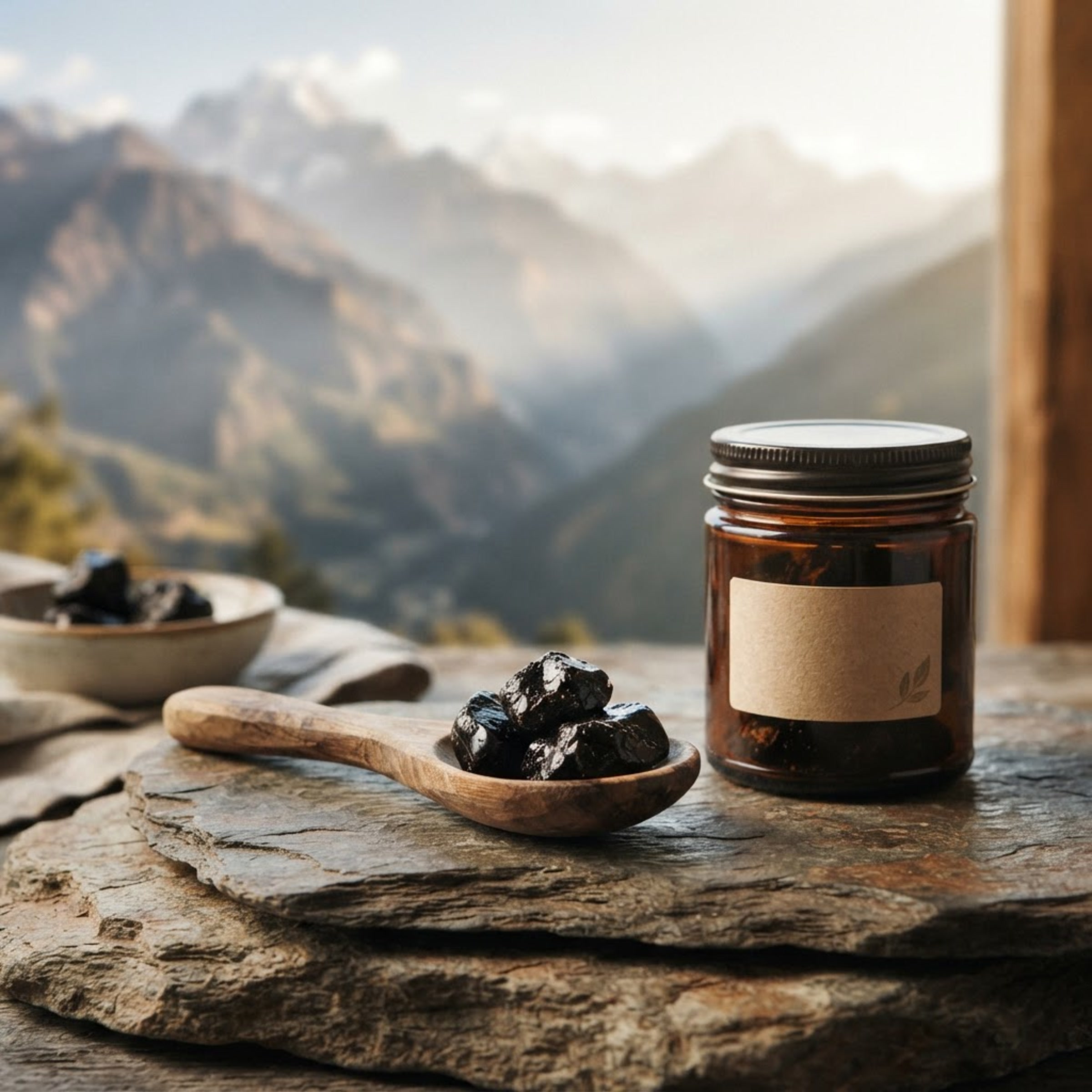
    Shilajit is a sticky, tar-like resin that seeps from cracks in high-altitude rocks in the Himalayas and other mountain ranges. It forms over centuries from the slow decomposition of plant matter trapped between layers of rock. Used for thousands of years in Ayurvedic medicine, where it is called the “destroyer of weakness,” shilajit has recently become one of the most searched supplements in the men’s health and healthy aging space.

    Modern research suggests this enthusiasm is not entirely hype. Shilajit contains two groups of compounds scientists consider the active players: fulvic acid and a family of molecules called dibenzo-alpha-pyrones. Fulvic acid typically makes up 50 to 80 percent of purified shilajit and is believed to drive most of its effects on energy, mineral transport, and antioxidant activity.

    This guide reviews what controlled human studies actually show about shilajit, from testosterone to cellular aging, and how to choose a product that is both effective and safe.

    Shilajit and Testosterone: What the Human Research Shows

    The headline study on shilajit and male hormones was published in the journal Andrologia in 2016. In this randomized, double-blind, placebo-controlled trial, healthy male volunteers took 250 mg of purified shilajit twice daily for 20 weeks. By the end of the study, total testosterone levels had risen roughly 20 percent versus a much smaller change in the placebo group. The researchers also reported improvements in key semen quality markers in a companion analysis.

    How could a mineral resin raise testosterone? The proposed mechanism matters, because shilajit is not a hormone and does not work like an anabolic steroid. Researchers believe compounds in shilajit support the testes’ own steroidogenic machinery: the enzymes that convert cholesterol into testosterone. In preclinical studies, purified shilajit increased the expression of enzymes such as StAR and P450scc inside Leydig cells, effectively helping the body’s natural production line run more efficiently. Follicle-stimulating hormone levels were also measured, pointing to effects along the hypothalamic-pituitary-gonadal axis rather than at a single point.

    A realistic takeaway: shilajit appears in early human research to nudge testosterone upward in healthy men, with an effect size meaningful over months of use, not days. It is not a replacement for medical treatment of clinically low testosterone, which requires diagnosis and supervision.

    Shilajit alongside other evidence-backed nutrients

    Testosterone production depends on an entire nutrient network. zinc is one of the best documented minerals for testosterone, and correcting a shortfall has clear benefits for hormone output. Adaptogens can also help, particularly when stress is suppressing the hormonal axis. Research on ashwagandha shows meaningful testosterone and stress hormone improvements in several controlled trials. Shilajit stacks naturally with both, which is why it now appears in many of the better formulated testosterone supplements on the market.

    Energy, Mitochondria, and the CoQ10 Connection

    Beyond hormones, shilajit has been studied for physical energy and fatigue. Here the science involves mitochondria, the tiny power plants that convert food into usable energy. Fulvic acid appears to support mitochondrial function in two ways: by improving the delivery of nutrients and oxygen into cells and by protecting mitochondrial membranes from oxidative damage.

    Several trials have explored shilajit combined with CoQ10, the antioxidant that mitochondria use in energy production. In a study of volunteers performing sustained physical exertion, the shilajit-plus-CoQ10 combination outperformed CoQ10 alone on markers of energy metabolism and recovery, suggesting the two compounds are complementary. This is also why shilajit is increasingly marketed to active men over 40, whose natural CoQ10 production declines with age.

    Shilajit and Healthy Aging: The Cellular Story

    Shilajit’s fulvic acid fraction is a potent antioxidant. Preclinical studies show it scavenges free radicals and protects cell membranes. Because oxidative stress is the first step toward almost every age-related disease, this mechanism has generated interest in shilajit as a longevity supplement.

    Brain health and protein misfolding

    One of the more intriguing areas of shilajit research involves tau fibrillization, the process of protein misfolding implicated in Alzheimer’s disease. In laboratory studies published in the early 2010s, fulvic acid inhibited the formation of tau fibrils and destabilized preformed ones. Human data does not yet exist, so no supplement claims can be made about cognitive disease, but the preclinical signal is one reason shilajit features in the science-based anti-aging supplement category alongside compounds like NAD+ precursors and creatine. For a deeper look at cellular aging science, see our guide on NMN and NAD+, the science behind cellular anti-aging supplements.

    Safety First: The Heavy Metal Issue That Separates Good Products from Bad Ones

    Raw, unprocessed shilajit can be problematic. Because it leaches through rock, unpurified resin can carry lead, mercury, and arsenic. Traditional preparation methods involved extensive purification precisely because of this. Modern, reputable suppliers use standardized extraction processes (often referred to as purified shilajit) and test every batch for heavy metals.

    Practical rules for choosing a shilajit supplement:

    • Look for “purified shilajit” or a standardized fulvic acid content (often 50 percent or higher) on the label.
    • Documents matter: choose brands that publish third-party certificates of analysis for heavy metals.
    • Resin, powder, or capsules: all can work; capsule products labeled with fulvic acid percentage tend to be the most standardized.
    • Avoid absurdly cheap products: genuine shilajit is expensive to source and purify.

    Dosage and How to Use Shilajit

    The dose used in positive human studies has generally been about 250 mg of purified shilajit taken twice daily with meals, for a total of 500 mg per day. Effects on testosterone took 20 weeks to reach significance, so consistency over months is more important than the exact hour of day you take it. Shilajit is generally well tolerated in these studies; occasional mild digestive discomfort is the most commonly reported side effect.

    • Take it with food to minimize digestive upset.
    • Pair with training and nutrition: no supplement substitutes for resistance exercise, adequate sleep, and sufficient protein, the foundations covered in evidence-based stress and sleep recovery guidance.
    • Cycle decision: human trials have used continuous daily dosing for up to 20 weeks without reported adverse trends, so cycling is optional rather than mandatory.

    Who Should Be Cautious

    People with hemochromatosis (iron overload) should speak with a physician before using shilajit, since fulvic acid can enhance iron transport. Anyone with kidney disease, women who are pregnant or breastfeeding, and anyone taking medications that affect hormone levels should get medical clearance first. As with any supplement, shilajit is not a substitute for diagnosis and treatment of clinically low testosterone.

    Shilajit for Women, Sleep, and Recovery: Other Emerging Research Areas

    Most shilajit marketing targets men, but the compound is not gender-specific in its basic biology. Fulvic acid’s nutrient-transport and antioxidant effects apply to everyone, and Animal Traditional Medicine research (Ayurveda’s Materia Medica) describe shilajit as a general rejuvenative rather than a male-only tonic. That said, the controlled human testosterone trial was conducted in men, and hormone data in women is essentially absent. Women who are interested in mitochondrial or antioxidant support can reasonably consider it, but anyone with conditions sensitive to androgens, such as certain forms of hair loss or acne, should first discuss it with a physician.

    Altitude, fatigue, and recovery findings

    Some of the earliest modern interest in shilajit came from studies at high altitude. In one controlled study carried out at extreme elevation, volunteers received a combination of shilajit and CoQ10 for 15 days while undergoing sustained physical exertion. The combination group maintained better energy-related blood markers and showed less disruption in stress hormone patterns than placebo, consistent with the mitochondrial-support hypothesis. Small studies in athletes have also pointed toward improved post-exercise recovery markers, though sample sizes remain modest and replication is needed before strong claims.

    A Simple, Realistic Shilajit Protocol

    Putting the research together, here is what an evidence-aligned approach looks like in practice:

    • Week 1: 250 mg once daily with breakfast to assess tolerance.
    • Week 2 onward: 250 mg twice daily with meals, the dosing pattern from the clinical literature.
    • Training days: take one dose 30 to 60 minutes before training if you prefer an energy-centered rationale.
    • Benchmark at 12 and 20 weeks: the strongest trial data is at 20 weeks, so judge results on that timeline, not after a week.
    • Pair with basics: resistance training 3-4 times weekly, 7-9 hours of sleep, adequate protein, and minimal alcohol produce a much larger hormone effect than any single supplement.

    Common Questions About Shilajit

    Does shilajit work immediately?

    Most users report subtle energy changes within the first two weeks, but the meaningful, measurable effects in the clinical literature, especially for testosterone, developed over 10 to 20 weeks of daily use.

    Can shilajit be taken with other supplements?

    Yes. It is commonly stacked with zinc, ashwagandha, CoQ10, and magnesium without known interactions in healthy adults. If you take blood thinners, iron supplements, or medications for blood pressure, check with your pharmacist first, since mineral-type supplements occasionally interact with absorption or drug metabolism.

    Resin versus capsules, which is better?

    Purity and third-party testing matter far more than form. Traditional resin is harder to dose and handle, while standardized capsule powders offer consistent fulvic acid percentages. Choose whichever you will actually take consistently.

    The Bottom Line on Shilajit

    Shilajit earns its place among the most interesting supplements for men’s hormone health and aging. The strongest human evidence sits at the intersection of testosterone, mitochondrial energy, and antioxidant protection. The 2016 controlled trial showing roughly 20 percent higher testosterone after 20 weeks of 500 mg per day is genuinely notable, even if it needs replication in larger populations.

    Choose a purified, third-party-tested product, take it consistently, frame expectations in months rather than days, and combine it with the training, sleep, and nutrition basics that do the heavy lifting. That is the honest, science-based way to use shilajit as part of a long-term men’s health strategy.

    This article is for informational purposes only and does not constitute medical advice. Consult a qualified healthcare provider before starting any supplement, especially if you have a medical condition or take medications.

  • How to Naturally Boost Growth Hormone After 40: Sleep, Training, and Nutrition

    How to Naturally Boost Growth Hormone After 40: Sleep, Training, and Nutrition

    Growth hormone (HGH) is the reason you recovered quickly in your twenties, and its decline is a big part of why recovery slows after 40. Your body still makes HGH every night, but the pulse sizes shrink with age. The good news: GH release responds strongly to lifestyle, and you do not need injections to recover a meaningful share of what you have lost.

    What Growth Hormone Does After 40

    Growth hormone stimulates tissue repair, muscle protein synthesis, fat metabolism, and collagen production. It works mostly through IGF-1, which mediates its effects on muscle and connective tissue. GH is released in pulses, and the largest pulses happen during deep sleep. After 40, both the pulse amplitude and total secretion decline steadily, one of the measurable markers of biological aging.

    Lever 1: Deep Sleep Is Non-Negotiable

    The majority of daily GH is secreted in the first deep-sleep cycle. Protect that first 90 minutes: consistent sleep schedule, a cool dark room, no alcohol close to bedtime (it suppresses deep sleep and GH by up to 70 percent in some studies), and no heavy meals within 2-3 hours of bed. Poor sleep also raises cortisol and lowers testosterone (our guide to sleep and testosterone). Magnesium taken in the evening can improve sleep quality (magnesium glycinate for sleep).

    Lever 2: Train Hard, Rest Properly

    High-intensity resistance training is the strongest natural GH trigger. Compound lifts near fatigue, short rest periods, and interval training all raise GH pulses significantly. The sweet spot: 3-4 hard sessions per week with adequate recovery, since chronic overtraining raises cortisol and suppresses GH. If you are over 40, creatine is one of the best-supported supplements for preserving strength and lean mass (creatine for healthy aging).

    Lever 3: Time Your Nutrition

    GH is released more easily when insulin is low. Two practical tactics: finish eating 2-3 hours before bed so your overnight GH pulses are not blunted, and consider training fasted or semi-fasted. Keep daily protein high (1.6-2.2 g per kg), because GH only builds muscle when raw material is available. Avoid sugar-heavy late-night snacks; the insulin spike is a direct GH suppressor.

    Lever 4: Body Composition and Fasting

    GH release is blunted by high body fat, especially visceral fat, so gradual fat loss itself improves your GH profile. Intermittent fasting raises GH pulses modestly by keeping insulin low; a 12-14 hour overnight window is enough for most people and pairs naturally with the early-dinner strategy.

    What About Supplements?

    Evidence for most “GH booster” supplements is weak. The exceptions worth considering: melatonin (improves sleep onset, mildly increases GH), arginine and glutamine at multi-gram doses before bed (modest, mostly in older adults), and vitamin D for overall hormone support (vitamin D and hormone health). Adaptogens like ashwagandha help mainly by lowering stress hormones (ashwagandha research review). Anything promising dramatic GH increases is marketing, not physiology.

    Safety Notes

    Genuine HGH injections are prescription-only, carry real risks (insulin resistance, joint pain, edema), and are illegal for anti-aging use in many countries. Natural optimization is slower but sustainable and safe for healthy adults.

    The Bottom Line

    You cannot stop GH decline, but you can reclaim much of it: protect deep sleep, lift hard 3-4 times a week, finish dinner early, stay lean, and skip late-night sugar. Stack those habits with creatine and magnesium, and recovery after 40 starts looking like it used to.

  • Thyroid and Weight Gain: The Hidden Connection Explained by Science

    Thyroid and Weight Gain: The Hidden Connection Explained by Science

    Unexplained weight gain, fatigue, and feeling cold all the time: for millions of people, especially women over 40, these symptoms trace back to one small butterfly-shaped gland. The thyroid controls your metabolic rate, and when it slows down, everything slows down with it. This guide explains the connection between thyroid function and weight, and what actually helps.

    What the Thyroid Actually Does

    The thyroid produces T4 and T3, hormones that tell every cell in your body how fast to burn energy. When production drops (hypothyroidism), your basal metabolic rate falls, often by 5 to 15 percent. You burn fewer calories at rest, feel colder, tire more easily, and retain water. Much of the early “weight gain” in hypothyroidism is actually fluid retention, but the metabolic slowdown is real.

    Signs Your Thyroid May Be Slowing You Down

    The classic symptoms are fatigue, cold intolerance, dry skin, hair thinning, constipation, brain fog, low mood, and unexplained weight gain. Symptoms are often dismissed as stress or normal aging. Women are five to eight times more likely than men to develop thyroid problems, and risk rises sharply around perimenopause (read our perimenopause nutrition guide), when estrogen shifts can interact with thyroid function. If symptoms overlap with cycle changes, also review our guide to estrogen dominance (estrogen dominance signs and solutions).

    Why Thyroid Problems Make Weight Loss Harder

    Three mechanisms stand out. First, a lower metabolic rate means your maintenance calories drop, so the same diet that once maintained your weight now gains weight. Second, fatigue reduces spontaneous movement and training intensity, shrinking total daily burn. Third, chronic stress and thyroid issues feed each other: elevated cortisol (how to lower cortisol naturally) suppresses the conversion of T4 into the active T3 your cells need.

    Testing: Ask for the Full Panel

    Many doctors test only TSH, the pituitary signal. Ask for TSH, free T4, free T3, and thyroid antibodies (TPO and TG). Antibodies point to Hashimoto’s, the autoimmune cause behind most hypothyroidism in developed countries. Subclinical patterns, where TSH is mildly elevated but T4 is normal, are common and worth monitoring, especially with symptoms.

    Nutrients That Support Thyroid Function

    The thyroid needs specific raw materials: iodine to build hormones, selenium to convert T4 to T3, zinc for that same conversion, and iron to carry hormones into cells. Brazil nuts, eggs, fish, and pumpkin seeds cover most needs. Do not mega-dose iodine without testing, because excess iodine can worsen autoimmune thyroid disease. If you supplement zinc, see our guide on zinc and hormone health (zinc and hormone health).

    Lifestyle Levers That Matter

    Prioritize sleep (7-9 hours, since poor sleep raises cortisol and lowers T3), strength training to preserve metabolic muscle mass, and stress management. Aim for steady blood sugar rather than extreme dieting: very low calorie diets further suppress T3 and can backfire. Adequate protein matters too, especially after 40 (our protein guide for women over 40).

    When to See a Doctor

    If you have two or more symptoms listed here, request a full thyroid panel. If you are already on thyroid medication, take it on an empty stomach, away from coffee, calcium, and iron, and retest 6-8 weeks after any dose change.

    The Bottom Line

    Thyroid dysfunction is common, under-tested, and a legitimate metabolic reason weight loss feels impossible. Test properly, correct nutrient gaps, manage stress, and work with your doctor on treatment if labs confirm it. The scale usually responds once the gland is properly supported.

  • Omega-3 Fish Oil: Science-Backed Benefits for Heart, Brain, and Inflammation

    Omega-3 Fish Oil: Science-Backed Benefits for Heart, Brain, and Inflammation

    You have probably seen omega-3 fish oil on every supplement shelf, but the science behind it is more interesting than the marketing. Omega-3 fatty acids, especially EPA and DHA, are among the most studied nutrients in modern nutrition research, with thousands of clinical trials examining their effects on the heart, brain, joints, and inflammation. This guide breaks down what the evidence actually shows, who benefits most, and how to choose a product worth taking.

    What Are Omega-3 Fatty Acids?

    Omega-3s are essential polyunsaturated fatty acids. Your body cannot make them efficiently, so they must come from food or supplements. The three main types are ALA (from plants like flaxseed and walnuts), EPA, and DHA (from marine sources). EPA and DHA are the forms your body actually uses for cell membranes, brain tissue, and anti-inflammatory signaling. ALA converts poorly to EPA and DHA, often at rates below 10 percent, which is why fish oil remains the most reliable source.

    Heart Health: The Strongest Evidence

    The cardiovascular benefits of omega-3s are supported by decades of research. Large trials and meta-analyses have linked higher EPA and DHA intake with modest reductions in triglycerides, blood pressure, and the risk of cardiac events. The widely cited REDUCE-IT trial found that high-dose purified EPA significantly lowered cardiovascular events in high-risk patients. Omega-3s work through multiple mechanisms: they reduce triglyceride production in the liver, improve arterial elasticity, and reduce the inflammatory signals that destabilize arterial plaque.

    Brain and Mood Support

    DHA is a structural component of brain cell membranes, making up a significant portion of the brain’s fat content. Observational studies associate higher fish intake with slower cognitive decline and lower rates of depression, and some clinical trials show EPA-predominant formulas can support mood as an adjunct therapy. If you take magnesium for relaxation and recovery (see our magnesium guide), adding omega-3s covers the anti-inflammatory side of brain health.

    Inflammation, Joints, and Skin

    Chronic low-grade inflammation is a driver of aging, and omega-3s are one of the few supplements with consistent anti-inflammatory data. They compete with omega-6 fatty acids for the same enzymes, shifting the body toward less inflammatory signaling molecules. This is one reason omega-3s are often stacked with collagen for joint and skin support (read our collagen guide). Some trials also report modest improvements in skin hydration and elasticity.

    How Much Do You Need?

    Most research on benefits uses 1,000 to 2,000 mg of combined EPA and DHA per day. That is the amount of omega-3, not the amount of fish oil, which is a common mistake: a 1,000 mg softgel may contain only 300 mg of EPA and DHA. Check the label and add up the EPA and DHA lines. People managing high triglycerides may use higher doses under medical supervision.

    How to Choose a Quality Fish Oil

    Look for third-party testing (IFOS or Labdoor certifications), a TG (triglyceride) or rTG form for better absorption, reasonable oxidation values, and a balanced EPA to DHA ratio. If you experience reflux, take your capsules with a meal containing fat, freeze them, or switch to a higher-quality product. Vegans can consider algae oil, the only direct plant source of DHA and EPA.

    Safety Notes

    Omega-3s are well tolerated at standard doses. High doses can thin the blood, so people on anticoagulants or scheduled for surgery should talk to their doctor. Pairing them with vitamin D (our vitamin D guide) is a common and sensible combination for overall hormone and immune support.

    The Bottom Line

    Omega-3 fish oil is one of the few supplements with strong evidence across heart, brain, and inflammation outcomes. Get 1,000 to 2,000 mg of combined EPA and DHA daily from a tested product, take it with food, and be patient: the benefits build over months, not days.

  • GLP-1 Weight Loss and Muscle: How to Protect Strength During Treatment

    GLP-1 Weight Loss and Muscle: How to Protect Strength During Treatment

    GLP-1 medicines such as semaglutide and tirzepatide have changed treatment options for obesity and type 2 diabetes. They can produce substantial weight loss and improve important health outcomes for appropriately selected patients. As body weight falls, however, some lean tissue may also decrease. That does not mean these medicines “eat muscle,” or that medication should be stopped. It means muscle, strength, nutrition, and follow-up deserve attention as part of a clinician-supervised plan.

    This practical guide summarizes what body-composition research can tell us, why scale weight is not the whole story, and how resistance exercise and adequate nutrition can support function. For related background, read our guides to creatine and healthy aging, collagen supplement evidence, and what anti-aging supplements can and cannot do.

    What does “lean mass” mean?

    Lean mass is not a synonym for skeletal muscle. Depending on the method, it can include water, organs, connective tissue, and other non-fat tissues. DXA scans estimate fat mass, bone mineral content, and lean soft tissue; they do not directly measure muscle quality or strength. Changes in hydration and glycogen can affect estimates. Therefore, a report that a proportion of weight loss came from “lean mass” should not be interpreted as the same proportion of actual contractile muscle disappearing.

    In the STEP 1 semaglutide trial, a smaller exploratory body-composition substudy used DXA. Participants receiving semaglutide lost fat mass and lean mass, while the overall ratio of lean mass to total body mass improved. The finding is useful, but it does not prove that every patient will have the same change or that lean tissue loss is harmless. The substudy was not designed to settle the best exercise or nutrition strategy, and DXA lean mass is not identical to muscle.

    Why strength matters during weight loss

    Muscle helps with mobility, balance, everyday tasks, glucose regulation, and independence. Preserving function matters regardless of whether a medication is involved. During weight loss, appetite may fall and meals may become smaller. Nausea, early fullness, constipation, or other side effects can further complicate eating and exercise. Rapid weight loss, low energy intake, illness, aging, and inactivity may contribute to loss of muscle and strength.

    The answer is not to avoid effective medical treatment. For many people, treating obesity can reduce health risks and improve quality of life. Instead, patients and prescribers can discuss the pace of weight loss, adequate nutrition, resistance activity, side effects, and individualized monitoring. Medication decisions should be made with the clinician who knows the patient’s history.

    Prioritize progressive resistance exercise

    Resistance exercise provides a mechanical signal that helps the body retain or build strength. A useful starting goal for many adults is at least two sessions weekly that work the major muscle groups, consistent with public physical-activity guidance. Exercises can use machines, free weights, resistance bands, or body weight. The best plan is one that is safe, progressive, and repeatable.

    Start with basic movements such as sit-to-stand, a supported squat, hip hinge, wall or incline push-up, band row, and step-up. Choose a variation that feels manageable, use controlled technique, and stop with a few good repetitions still possible. As it becomes easier, increase repetitions, resistance, or sets gradually. A physical therapist or qualified exercise professional can modify training for joint pain, arthritis, balance limitations, or other conditions.

    How to make a routine manageable

    • Schedule two brief sessions on nonconsecutive days rather than waiting for a perfect hour.
    • Begin with one or two sets per movement; consistency comes before complexity.
    • Keep a record of the exercise and resistance, and progress a little at a time.
    • Combine strength sessions with walking or other aerobic activity as tolerated.
    • Pause and seek advice for chest pain, faintness, unusual breathlessness, or severe pain.

    If you have been inactive, have cardiovascular disease, significant orthopedic problems, or are experiencing severe medication side effects, ask your clinician how to begin. Exercise should be adapted to the person, not used as punishment for eating or as a substitute for medical care.

    Get enough protein, but avoid one-size-fits-all targets

    Protein provides amino acids needed for tissue maintenance. The adult RDA is 0.8 g/kg/day, while some expert recommendations for older adults are higher. During active weight loss or training, a clinician or registered dietitian may discuss a higher individualized intake. The ideal amount depends on age, body size, kidney function, diet, activity, total calorie intake, and the treatment plan. Do not adopt a high-protein diet without medical guidance if you have chronic kidney disease or another relevant condition.

    Rather than relying on one enormous meal, many people find it practical to include a source of protein in meals they can tolerate: eggs, yogurt, fish, poultry, tofu, beans, lentils, dairy, or fortified soy products. Smaller portions may be more comfortable when early fullness is present. A dietitian can help plan nutrient-dense meals when appetite is low. Protein shakes can be convenient for some people, but they are optional and do not replace varied foods or resistance training.

    Hydration, fiber, fruits and vegetables, and sufficient overall energy also matter. If nausea or constipation is making intake difficult, discuss it with the prescriber rather than forcing meals or stopping medication abruptly. Our magnesium guide reviews supplement evidence and reminds readers that supplements are not substitutes for managing medication side effects with a clinician.

    Monitor function, not just the bathroom scale

    Weight is one useful measure, but it cannot tell you whether you are stronger, more mobile, or better able to carry out daily tasks. At follow-up, discuss energy, exercise tolerance, ability to rise from a chair, walking, and whether ordinary activities are getting easier or harder. Clinicians may review nutrition, symptoms, blood pressure, glucose, and other measures relevant to the reason treatment was prescribed.

    Routine body-composition scans are not necessary for everyone. Measurements have limitations and should be ordered only when they will inform care. If you notice marked weakness, falls, difficulty completing daily tasks, persistent inability to eat or drink, or rapid unintended decline, contact your healthcare team promptly.

    Supplements and “muscle-preserving” claims

    There is no supplement proven to cancel all lean-tissue changes during GLP-1 treatment. Creatine has evidence for improving some resistance-training outcomes in certain populations, but it is not a replacement for exercise and may not be appropriate for everyone. Discuss it with a clinician, especially if you have kidney disease, take medicines affecting kidney function, are pregnant, or have another medical concern. Collagen is not a complete substitute for dietary protein and has not been shown to prevent medication-associated muscle loss.

    Be wary of products promising to “detox,” rebalance hormones, or guarantee muscle preservation. Supplements can interact with prescriptions, vary in quality, and carry risks. Our article on vitamin D and hormone health explains why a biologically plausible claim is not the same as proven clinical benefit.

    Questions to ask your prescriber

    • What outcomes are we targeting besides weight, and how will we review progress?
    • What should I do if nausea, constipation, or low appetite makes it hard to eat or drink?
    • Would a dietitian or supervised exercise plan be useful for me?
    • Are there activity limits based on my medical history or current symptoms?
    • How should I respond to unusual weakness, falls, or difficulty with daily tasks?

    Do not change the dose, skip treatment, or stop a prescribed medicine based on a blog post or a scan result you do not understand. Contact the prescribing clinician to discuss benefits, side effects, and options. Treatment plans may change as health needs change, and that decision belongs in a shared medical conversation.

    The takeaway

    Some lean tissue can be lost along with fat during substantial weight reduction, but “lean mass” is not identical to muscle, and the amount varies. GLP-1 medicines can be valuable treatments; muscle preservation should be approached as a component of comprehensive care, not a reason for fear. Consistent resistance training, adequate individualized nutrition, symptom management, and attention to real-world strength and function are sensible steps. Coordinate changes with your healthcare team.

    References

    • Wilding JPH, et al. Once-weekly semaglutide in adults with overweight or obesity. N Engl J Med. 2021;384:989–1002. doi:10.1056/NEJMoa2032183.
    • Wilding JPH, et al. Impact of semaglutide on body composition in adults with overweight or obesity: exploratory analysis of the STEP 1 study. J Endocr Soc. 2021;5(Suppl 1):A16–A17. doi:10.1210/jendso/bvab048.030.
    • Bauer J, et al. Evidence-based recommendations for optimal dietary protein intake in older people: PROT-AGE Study Group. J Am Med Dir Assoc. 2013;14(8):542–559. doi:10.1016/j.jamda.2013.05.021.
    • U.S. Department of Health and Human Services. Physical Activity Guidelines for Americans, 2nd edition, 2018.

    Recovery and pacing are part of the plan

    When appetite and body weight are changing, energy may fluctuate from week to week. Build exercise around recovery rather than trying to make every session harder. Leave time between demanding sessions for the same muscle groups, sleep as consistently as life allows, and choose a lighter session or a walk when you are unwell or unusually fatigued. Progress can be measured in small ways: a steadier chair rise, a little more resistance with good form, or completing a familiar walk with less effort. These signs do not replace medical follow-up, but they can give a more complete picture than weight alone. If fatigue persists, review food intake, hydration, medication effects, sleep, and possible medical causes with your clinician. Avoid training through acute illness or symptoms that feel alarming. A safe, repeatable routine is more useful than an intense program that repeatedly has to be abandoned.

  • Protein and Strength Training After 40: A Practical Guide for Women in Perimenopause and Beyond

    Protein and Strength Training After 40: A Practical Guide for Women in Perimenopause and Beyond

    Changes in body composition, energy, and recovery are common in midlife, but losing strength is not an inevitable part of menopause. A practical combination of progressive resistance exercise, adequate food, and enough protein can support muscle and function through perimenopause and later life. Protein is not a hormone treatment, and no single food reverses menopause. It is, however, one useful building block alongside movement, sleep, and appropriate medical care.

    This guide explains what the evidence can and cannot say, how to build a sustainable strength routine, and how to estimate protein needs without turning meals into a math problem. For a broader food-first approach, see our perimenopause nutrition plan and our overview of menopause-related hormone symptoms and when to seek care.

    Why muscle deserves attention in midlife

    Skeletal muscle helps with everyday tasks such as carrying groceries, climbing stairs, and getting up from a chair. It also contributes to glucose use and physical resilience. Aging, inactivity, illness, and inadequate nutrition can all contribute to declining muscle strength or mass. Menopause may coincide with changes in fat distribution and body composition, but the timing and degree vary widely. It is inaccurate to attribute every midlife change to estrogen alone.

    Resistance training provides a direct stimulus for muscle and strength. The goal is not to chase a particular body shape or to “fix” a normal transition. It is to keep doing the activities that matter to you, reduce the chance that ordinary tasks become difficult, and build capacity for the future. Exercise can also support bone health, balance, and cardiometabolic health, though individual results differ.

    How much protein do women over 40 need?

    The adult Recommended Dietary Allowance is 0.8 grams of protein per kilogram of body weight per day, a level designed to cover the needs of most healthy adults. Some expert groups recommend higher intakes for older adults, particularly during illness or recovery. The PROT-AGE Study Group proposed 1.0–1.2 g/kg/day for many healthy older adults, while emphasizing individual health status and activity. These are not menopause-specific prescriptions, and higher is not automatically better.

    For a healthy, active adult, a reasonable discussion with a clinician or registered dietitian may include a range around 1.0–1.2 g/kg/day, especially when strength training or aiming to preserve muscle during weight loss. People with chronic kidney disease or other conditions affecting protein handling should not adopt a high-protein target without medical guidance. Body weight, appetite, total energy intake, food preferences, and medical history all matter.

    For illustration only, someone weighing 70 kg (about 154 lb) would get 70–84 g/day at 1.0–1.2 g/kg. That is a planning example, not a personal prescription. If calculating by body weight is unhelpful or distressing, build meals around a dependable protein source and ask a dietitian to tailor portions.

    Spread protein across meals, using foods you enjoy

    There is no need to hit an exact number at every meal. Many people find it easier to include a protein-rich food at breakfast, lunch, and dinner instead of eating very little early and trying to make up the difference late at night. Options include beans, lentils, tofu, tempeh, edamame, eggs, yogurt, fish, poultry, lean meat, nuts, and seeds. Plant-based meals can meet needs when a variety of protein foods and adequate total calories are included.

    • Breakfast: Greek yogurt or fortified soy yogurt with oats, fruit, and nuts; or eggs with whole-grain toast.
    • Lunch: lentil soup with whole-grain bread, or tofu and edamame in a grain bowl.
    • Dinner: fish, poultry, beans, or tempeh with vegetables and a starch such as potatoes, rice, or whole grains.
    • Snack, if useful: milk or fortified soy milk, cottage cheese, hummus, or roasted chickpeas.

    Protein powders can be convenient, but they are not required. Check ingredients, allergens, and third-party quality testing where available. Supplements do not replace a varied diet, and products marketed as “hormone balancing” should be treated skeptically. Our guide to magnesium and sleep claims explains why supplement claims deserve careful scrutiny.

    Strength training: start where you are

    Progressive resistance training means gradually asking muscles to do more over time. That could mean adding repetitions, using a slightly heavier weight, improving control, or adding a set. A beginner can start with two nonconsecutive sessions a week, covering major movement patterns: squat or sit-to-stand, hinge, push, pull, carry, and a balance or core exercise. A qualified trainer or physical therapist can adapt the movements for pain, osteoporosis, joint conditions, or prior injury.

    Choose a load that allows controlled repetitions with good technique, while the final repetitions feel challenging. There is no requirement to train to failure. Rest between sessions, and increase one training variable at a time. The U.S. Physical Activity Guidelines recommend muscle-strengthening activity involving major muscle groups on at least two days each week for adults. Walking and other aerobic activity complement strength work rather than replace it.

    A simple two-day template

    • Day A: sit-to-stand or squat, incline push-up, resistance-band row, hip hinge, and a supported carry.
    • Day B: step-up or split squat, overhead press if comfortable, band pulldown, glute bridge, and a balance exercise.

    Begin with one or two sets of 8–12 comfortable repetitions, adjusting the range to your ability. This is a starting point, not a universal program. Stop if you have chest pain, unusual shortness of breath, dizziness, or sharp pain, and seek medical advice. If you have been inactive or have a significant health condition, ask a clinician how to begin safely.

    Protein works with training and enough total energy

    Protein supplies amino acids, but the training stimulus is what signals muscles to adapt. Eating more protein while remaining sedentary is unlikely to produce the same strength gains as combining food with progressive exercise. Severe calorie restriction can also make it harder to train, recover, and maintain lean tissue. During intentional weight loss, a moderate approach with strength training and adequate nutrition is generally more sensible than crash dieting.

    Evidence on protein supplements and muscle gain is mixed in magnitude and depends on baseline diet, age, training, and health. Morton and colleagues’ 2018 meta-analysis found that protein supplementation modestly enhanced resistance-training gains in healthy adults, with diminishing returns once total daily intake was already sufficient. It did not establish that supplements are necessary, nor did it study a menopause-only population. Food, consistency, and a program you can sustain remain the foundation.

    What about menopause symptoms and hormone therapy?

    Strength training and adequate nutrition can support health, but they do not reliably eliminate hot flashes, vaginal symptoms, or every sleep disturbance. Menopausal hormone therapy can be an appropriate option for some people, depending on symptoms, age, health history, and preferences. Discuss benefits, risks, and alternatives with a qualified clinician rather than relying on online hormone claims. Our vitamin D and hormone health article also distinguishes established evidence from exaggerated supplement promises.

    Common mistakes to avoid

    • Chasing a “perfect” protein number: a steady pattern is more useful than anxiety over a single day.
    • Skipping resistance work: protein alone is not a substitute for challenging muscles.
    • Cutting calories aggressively: under-fueling can undermine strength, recovery, and wellbeing.
    • Using supplements as hormone therapy: products can interact with medicines and may not be independently verified.
    • Comparing progress to someone else: training history, health, genetics, and life circumstances differ.

    A realistic plan for the next month

    Pick two weekly times for strength sessions, choose a few movements you can do confidently, and include a protein-rich food at each main meal most days. Keep a simple note of exercises and repetitions so you can make gradual progress. Add enjoyable walking or other aerobic activity and protect sleep where possible. Review how you feel after two to four weeks, not just what a scale says.

    If fatigue, rapid unintentional weight change, persistent weakness, severe pain, or disruptive menopause symptoms are affecting daily life, book a medical appointment. A clinician can check for treatable causes such as anemia, thyroid disease, medication effects, or sleep problems. A registered dietitian can help meet protein needs while respecting kidney health, cultural foods, budget, and preferences.

    The takeaway

    For women in perimenopause and beyond, protein is most useful as part of a wider pattern: enough nourishing food, regular progressive strength training, recovery, and individualized care. You do not need a special menopause powder or a punishing workout plan. Start with manageable habits, build gradually, and let health professionals personalize advice when medical conditions or symptoms make that important.

    References

    • Bauer J, et al. Evidence-based recommendations for optimal dietary protein intake in older people: a position paper from the PROT-AGE Study Group. J Am Med Dir Assoc. 2013;14(8):542–559. doi:10.1016/j.jamda.2013.05.021.
    • Morton RW, et al. A systematic review, meta-analysis and meta-regression of the effect of protein supplementation on resistance training-induced gains. Br J Sports Med. 2018;52:376–384. doi:10.1136/bjsports-2017-097608.
    • U.S. Department of Health and Human Services. Physical Activity Guidelines for Americans, 2nd edition, 2018.
    • National Academies. Dietary Reference Intakes for Energy, Carbohydrate, Fiber, Fat, Protein and Amino Acids. 2005.
  • Zinc and Testosterone: Why This Mineral Is Critical for Male Hormone Health

    Zinc and Testosterone: Why This Mineral Is Critical for Male Hormone Health

    Why Zinc Is the Most Underrated Mineral for Male Hormone Health

    When men think about optimizing testosterone, they usually focus on herbs, training protocols, and sleep. But zinc — a humble trace mineral found in oysters, pumpkin seeds, and meat — may be the single most important micronutrient for male hormone health. Research spanning four decades has consistently shown that zinc deficiency directly suppresses testosterone production, and restoring zinc levels can bring testosterone back up in deficient men.

    If you’re already taking ashwagandha for testosterone or following natural testosterone-boosting strategies after 40, zinc deficiency could be the hidden bottleneck holding back your results. Let’s look at what the science actually says.

    The Science: How Zinc Influences Testosterone

    The Leydig Cell Connection

    Zinc is concentrated in the testes, particularly in the Leydig cells that produce testosterone. Research published in the journal Nutrition demonstrated that zinc acts as a cofactor for the enzymes involved in testosterone synthesis — specifically, the conversion of cholesterol into pregnenolone, the precursor to all steroid hormones.

    When zinc levels are low, these enzymes cannot function optimally, and testosterone production drops. A landmark study by Prasad et al. published in the journal Nutrition showed that dietary zinc restriction in healthy men caused a significant drop in testosterone within 20 weeks, while zinc supplementation in zinc-deficient men restored testosterone to normal levels.

    The Exercise Connection

    One of the most important findings in zinc research relates to exercise. A study published in Neuroendocrinology Letters examined the effects of zinc supplementation on testosterone in athletes. Researchers found that sedentary men who started exercising without adequate zinc experienced a decrease in testosterone, while those who supplemented with zinc saw an increase.

    This is significant because exercise is normally one of the most effective natural ways to boost testosterone. But if you’re deficient in zinc, intense training can actually backfire hormonally — a critical insight for anyone following a fitness-focused approach to hormone optimization.

    Zinc and Luteinizing Hormone

    Zinc also influences the hormonal cascade that triggers testosterone production at the brain level. Research from the Journal of Exercise Physiology showed that zinc supplementation increased luteinizing hormone (LH) levels — the pituitary hormone that signals the testes to produce testosterone. This means zinc doesn’t just support the enzymes that make testosterone; it also helps ensure the signal to produce testosterone is strong.

    How Zinc Deficiency Sabotages Male Health

    Zinc deficiency is more common than most people realize. The World Health Organization estimates that approximately 31% of people globally are zinc deficient. In developed countries, deficiency rates are lower but still significant — particularly among athletes, older adults, and people following plant-based diets.

    Symptoms of zinc deficiency in men include:

    • Low testosterone and reduced libido — the most direct hormonal consequence
    • Hair loss — zinc is essential for hair follicle health and dihydrotestosterone (DHT) regulation
    • Impaired wound healing — zinc is required for collagen synthesis and tissue repair
    • Reduced immune function — zinc is critical for T-cell development and activation
    • Loss of taste and smell — zinc is a cofactor for gustin, a protein involved in taste bud function
    • Mood changes and irritability — zinc plays a role in neurotransmitter balance
    • Reduced sperm quality — zinc is highly concentrated in semen and essential for sperm production

    Since many of these symptoms overlap with low testosterone, it can be difficult to distinguish zinc deficiency from other hormonal issues without blood testing. If you’re experiencing symptoms of low testosterone, checking your zinc status should be part of the workup.

    Zinc, Sleep, and Testosterone Synergy

    Sleep is when the majority of testosterone production occurs, and poor sleep directly suppresses testosterone. Zinc plays a role here too — research has shown that zinc status is associated with sleep quality. A study published in the International Journal of Molecular Sciences found that zinc deficiency was linked to reduced sleep quality and duration.

    The relationship works in both directions: zinc supports the enzymes that produce testosterone during deep sleep, and adequate testosterone supports the sleep architecture needed for optimal recovery. This creates a positive feedback loop where optimizing zinc, sleep, and testosterone together yields better results than addressing any one in isolation.

    Best Dietary Sources of Zinc

    Zinc from animal sources is significantly more bioavailable than zinc from plant sources, because plant-based zinc is often bound by phytates — compounds that inhibit mineral absorption. Here are the best dietary sources:

    • Oysters — by far the richest source, with 74 mg per serving (over 600% of the daily value)
    • Beef — approximately 7 mg per 100g serving
    • Pumpkin seeds — approximately 7 mg per 100g (best plant source)
    • Crab — approximately 6.5 mg per 100g serving
    • Lamb — approximately 6 mg per 100g serving
    • Chickpeas — approximately 2.5 mg per cup (lower bioavailability due to phytates)
    • Cashews — approximately 1.6 mg per ounce

    For vegetarians and vegans, zinc bioavailability is a genuine concern. Soaking, sprouting, and fermenting plant foods can reduce phytate content and improve zinc absorption. Zinc-fortified foods or supplementation may be necessary to meet requirements on a plant-based diet.

    How Much Zinc Do You Need?

    The recommended dietary allowance (RDA) for zinc is 11 mg per day for adult men and 8 mg for adult women. However, athletes, men over 40, and those recovering from zinc deficiency may benefit from higher intakes.

    For supplementation, common forms include:

    • Zinc picolinate — highly bioavailable, well-absorbed by most people
    • Zinc bisglycinate — gentle on the stomach, good for sensitive individuals
    • Zinc gluconate — widely available and affordable, moderately absorbed
    • Zinc citrate — good absorption, less likely to cause nausea

    For testosterone support, 15-30 mg of supplemental zinc per day is the range used in most studies. The tolerable upper intake level is 40 mg per day from all sources. Taking more than 40 mg long-term can lead to copper deficiency, as zinc and copper compete for absorption.

    Can You Take Too Much Zinc?

    Yes — and this is where many men go wrong. More is not better with zinc supplementation. Chronic intake above 40 mg per day can cause:

    • Copper deficiency — zinc competes with copper for absorption; high zinc intake can deplete copper levels, leading to anemia and neurological issues
    • Nausea and stomach upset — common with doses above 30-40 mg, especially on an empty stomach
    • Reduced HDL cholesterol — some studies have shown that very high zinc intake can lower protective HDL levels
    • Altered iron absorption — excess zinc can interfere with iron uptake

    If supplementing with zinc long-term, consider a supplement that includes a small amount of copper (typically a 15:1 zinc-to-copper ratio) to prevent depletion. Alternatively, take zinc with meals that include copper-rich foods like liver, cashews, or dark chocolate.

    Zinc and Other Testosterone Support Strategies

    Zinc works synergistically with several other nutrients and strategies for testosterone optimization:

    • Magnesium — like zinc, magnesium supports testosterone production and is commonly deficient. A study in the Biological Trace Element Research journal showed that magnesium plus zinc supplementation increased testosterone more than either alone. Magnesium glycinate is an excellent choice.
    • Vitamin D — another nutrient commonly deficient in men with low testosterone. Vitamin D and zinc work through different pathways but both are essential for optimal Leydig cell function.
    • Adaptogenic herbs — testosterone-supporting herbs like ashwagandha and fenugreek may work better when zinc status is adequate, since zinc deficiency can blunt the hormonal response to adaptogens.
    • Strength training — as mentioned earlier, zinc ensures that your exercise efforts translate into testosterone production rather than suppressing it.

    Should You Get Your Zinc Levels Tested?

    If you’re experiencing symptoms of low testosterone, it’s worth asking your doctor to check your zinc status. The most accurate test is the plasma zinc test, though serum zinc is more commonly available. A more sensitive option is the white blood cell zinc test, but it’s less widely available.

    It’s worth noting that normal zinc blood levels don’t guarantee optimal tissue levels. Some men with “normal” serum zinc may still benefit from supplementation, particularly if they exercise intensely, sweat heavily, or consume a diet high in phytate-rich grains.

    The Bottom Line

    Zinc is arguably the most overlooked mineral for male hormone health. The evidence is clear: zinc deficiency directly suppresses testosterone, and restoring optimal zinc levels can help normalize testosterone production — particularly in deficient men. With deficiency rates estimated at 31% globally, there’s a real chance your zinc intake is suboptimal.

    The most practical approach is to include zinc-rich foods like oysters, beef, and pumpkin seeds in your diet regularly, and consider supplementing with 15-30 mg of a well-absorbed form like zinc picolinate or bisglycinate. Pair it with adequate magnesium and vitamin D, train hard, prioritize sleep, and you’ll have covered the nutritional foundations of healthy testosterone production.

    For men over 40 who are serious about maintaining optimal hormone levels, zinc isn’t just a nice-to-have — it’s a must-have. The research is too consistent to ignore.

    Disclaimer: This article is for informational purposes only and does not constitute medical advice. Always consult with a qualified healthcare provider before starting any supplement regimen, particularly if you have existing health conditions or take medications.

  • Lion’s Mane Mushroom: Brain Health, Focus, and Anti-Aging Benefits Explained

    Lion’s Mane Mushroom: Brain Health, Focus, and Anti-Aging Benefits Explained

    What Is Lion’s Mane Mushroom and Why Is Everyone Talking About It?

    Lion’s mane (Hericium erinaceus) is a medicinal mushroom that has been used in traditional Chinese and Japanese medicine for centuries. With its cascading white spines that resemble a lion’s mane, this mushroom has recently become one of the fastest-growing supplements in the wellness industry — and for good reason. Modern research has revealed that lion’s mane contains unique compounds called hericenones and erinacines that can stimulate the growth of new brain cells, support cognitive function, and may even help protect against age-related cognitive decline.

    If you’re already exploring anti-aging supplements or looking for ways to keep your mind sharp as you age, lion’s mane deserves serious attention. It works through mechanisms that no other commonly available supplement can replicate.

    The Science: How Lion’s Mane Supports Brain Health

    Stimulating Nerve Growth Factor (NGF)

    The most remarkable property of lion’s mane is its ability to stimulate the production of nerve growth factor (NGF), a protein essential for the growth, maintenance, and survival of neurons. This was first discovered by Japanese researchers in the early 1990s, who found that hericenones (found in the fruiting body) and erinacines (found in the mycelium) could cross the blood-brain barrier and stimulate NGF synthesis in the brain.

    This is significant because NGF production naturally declines with age, contributing to the cognitive changes many people experience as they get older. By promoting NGF, lion’s mane may help the brain maintain and even regenerate neural pathways — something that was once thought impossible.

    Promoting Neuroplasticity and Neurogenesis

    A groundbreaking 2013 study published in the International Journal of Medicinal Mushrooms demonstrated that lion’s mane extract promoted the growth of neurites (the projections that extend from neurons and form connections with other cells) in cultured human brain cells. This suggests that lion’s mane may enhance neuroplasticity — the brain’s ability to reorganize itself and form new neural connections.

    Research published in the Journal of Agricultural and Food Chemistry further showed that erinacine A, one of the key compounds in lion’s mane mycelium, increased NGF expression by up to 5.4-fold in laboratory studies. This level of neurotrophic stimulation is virtually unheard of among natural compounds.

    Protecting Against Cognitive Decline

    One of the most cited studies on lion’s mane was conducted in 2009 by Mori et al. and published in Phytotherapy Research. In this double-blind, placebo-controlled trial, older adults with mild cognitive impairment who consumed 3 grams of lion’s mane powder daily for 16 weeks showed significantly improved cognitive function compared to the placebo group. Remarkably, the cognitive benefits faded four weeks after supplementation was discontinued, suggesting that lion’s mane needs to be taken consistently for sustained effects.

    Animal studies have also shown that lion’s mane may help protect against Alzheimer’s disease. A 2016 study published in the Journal of Neuroinflammation found that lion’s mane reduced amyloid-beta plaque formation and improved spatial memory in mice with induced Alzheimer’s-like symptoms. While human trials are still needed, these results are promising.

    Cognitive Benefits Beyond Memory

    Focus, Mental Clarity, and Productivity

    Many lion’s mane users report improved focus, mental clarity, and productivity — even when no clinical cognitive impairment is present. While the research on healthy individuals is still emerging, a 2023 systematic review in the Journal of Ethnopharmacology noted that lion’s mane supplementation was associated with improved measures of attention, processing speed, and subjective well-being in healthy adults.

    Unlike caffeine or other stimulants that provide a short burst of energy followed by a crash, lion’s mane appears to work by improving the brain’s underlying capacity rather than temporarily stimulating it. This makes it an attractive option for anyone looking to support cognitive performance without dependency or tolerance.

    Mood and Anxiety Support

    Research has also explored lion’s mane for mood support. A 2010 study published in Biomedical Research found that menopausal women who consumed lion’s mane cookies (containing 0.5g of extract) for four weeks reported reduced levels of anxiety, frustration, and palpitations compared to the placebo group. The researchers hypothesized that lion’s mane may support the hippocampus, a brain region involved in emotional regulation.

    This mood-supporting effect may also indirectly benefit stress and cortisol management, since chronic anxiety is a major driver of elevated cortisol. By supporting emotional resilience, lion’s mane may help create a more favorable hormonal environment.

    Lion’s Mane and Healthy Aging

    The neuroregenerative properties of lion’s mane make it particularly valuable for healthy aging. As we get older, the brain naturally loses volume and connectivity, leading to slower processing, memory lapses, and reduced mental sharpness. Lion’s mane addresses this at a cellular level.

    For those building a comprehensive anti-aging supplement stack, lion’s mane pairs well with other research-backed compounds. NMN and NAD+ supplements work on cellular energy and DNA repair, while lion’s mane targets neural health. Creatine supports both muscle and brain energy metabolism. Together, these address different pillars of the aging process.

    Collagen and lion’s mane also share an interesting connection: both support tissue regeneration, but in different systems — collagen for skin, joints, and gut lining; lion’s mane for the nervous system.

    How to Choose a Quality Lion’s Mane Supplement

    Not all lion’s mane supplements are created equal. The market is filled with products that use low-quality mycelium biomass or lack standardized extracts. Here’s what to look for:

    Fruiting Body vs. Mycelium

    Lion’s mane supplements generally come from either the fruiting body (the visible mushroom) or the mycelium (the root-like structure). Both contain active compounds, but they differ in composition:

    • Fruiting body extracts contain hericenones, which have been shown to stimulate NGF production
    • Mycelium extracts contain erinacines, which have demonstrated even stronger neurotrophic effects in laboratory studies

    The best supplements use dual extraction (both hot water and alcohol) to capture the full spectrum of active compounds. Some premium products combine both fruiting body and mycelium for comprehensive benefits.

    Beta-Glucan Content

    Beta-glucans are the polysaccharides responsible for many of lion’s mane’s immune-supporting and neurotrophic effects. Quality supplements will typically list a beta-glucan content of 20% or higher. If a product doesn’t disclose beta-glucan content, it may be using cheap fillers or starch.

    Third-Party Testing

    Always choose supplements that have been third-party tested for purity, potency, and contaminants. Look for certifications from organizations like NSF, USP, or ConsumerLab. This is especially important for mushroom supplements, which can be susceptible to heavy metal contamination if grown in polluted environments.

    Recommended Dosage

    Research on lion’s mane has used a wide range of doses:

    • For cognitive support: 1,000-3,000 mg per day of extract (or 3 grams of whole powder)
    • For general wellness: 500-1,000 mg per day

    In the Mori et al. (2009) study, 3 grams of dried powder daily for 16 weeks produced measurable cognitive improvements. For extract-based supplements, 500-1,000 mg of a standardized dual extract is generally sufficient due to higher concentration.

    Most experts recommend starting with a lower dose and gradually increasing over 2-4 weeks. Lion’s mane can be taken with or without food, though some users report better absorption when taken with a light meal containing some fat.

    Safety and Side Effects

    Lion’s mane has an excellent safety profile. In clinical studies, it has been well-tolerated at doses up to 3 grams per day for 16 weeks with no significant adverse effects. However, some considerations include:

    • Allergies — individuals with mushroom allergies should avoid lion’s mane
    • Drug interactions — lion’s mane may have mild blood-thinning properties; consult your doctor if you take anticoagulant medications
    • Diabetes medications — lion’s mane may lower blood sugar; monitor closely if taking insulin or oral diabetes medications
    • Slow onset — benefits typically appear after 2-4 weeks of consistent use, not immediately

    Should You Add Lion’s Mane to Your Wellness Routine?

    If you’re interested in preserving cognitive function, supporting mood, and promoting healthy brain aging, lion’s mane is one of the most compelling natural options available. Its unique ability to stimulate nerve growth factor sets it apart from every other commonly available supplement.

    While it’s not a magic pill, the research is genuinely promising — particularly for adults over 40 who want to stay mentally sharp. When combined with other evidence-based anti-aging strategies like those covered in our comprehensive anti-aging supplement guide, lion’s mane can be a valuable addition to your daily stack.

    The key is consistency. As the research shows, the benefits of lion’s mane require ongoing supplementation — the cognitive improvements fade when you stop. Choose a high-quality dual-extract product, take it daily, and give it at least four weeks to assess how your body responds.

    Disclaimer: This article is for informational purposes only and does not constitute medical advice. Always consult with a qualified healthcare provider before starting any supplement regimen.