Author: atali25

  • Vitamin D and Hormone Health: The Hidden Connection Backed by Science

    Vitamin D and Hormone Health: The Hidden Connection Backed by Science

    Why Vitamin D Is Actually a Hormone, Not Just a Vitamin

    Despite its name, vitamin D isn’t a vitamin at all — it’s a prohormone that your body synthesizes when sunlight hits your skin. Once activated, it behaves like a steroid hormone, binding to receptors in over 30 different tissues throughout your body. This helps explain why vitamin D deficiency has been linked to everything from low testosterone and estrogen imbalance to bone loss and autoimmune disease.

    A landmark study published in the Journal of Clinical Endocrinology & Metabolism found that men with sufficient vitamin D levels had significantly higher testosterone than those who were deficient (Pilz et al., 2011). For women, vitamin D plays a critical role in estrogen regulation, ovarian function, and even pregnancy outcomes. If you’re working on balancing your hormones — whether through natural testosterone strategies or managing estrogen dominance — vitamin D should be near the top of your list.

    The Science: How Vitamin D Influences Key Hormones

    Vitamin D and Testosterone in Men

    The connection between vitamin D and testosterone is one of the most well-documented hormone-nutrient relationships in the literature. In a randomized controlled trial, men who received 3,300 IU of vitamin D daily for one year experienced a significant increase in total testosterone compared to placebo (Pilz et al., 2011). The mechanism is straightforward: vitamin D receptors are present in the Leydig cells of the testes, where testosterone production occurs. When vitamin D binds to these receptors, it upregulates the enzymes responsible for converting cholesterol into testosterone.

    Additional research from the European Journal of Endocrinology showed that men with vitamin D levels above 30 ng/mL had roughly 25% higher testosterone than men below 20 ng/mL. This is particularly relevant for men over 40, as both testosterone and vitamin D tend to decline with age. If you’re already exploring testosterone boosters or herbal testosterone support like ashwagandha, optimizing vitamin D could amplify those efforts.

    Vitamin D and Estrogen in Women

    For women, vitamin D’s hormonal influence is equally significant. Research published in the Journal of Steroid Biochemistry and Molecular Biology demonstrated that vitamin D helps regulate the aromatase enzyme, which converts testosterone into estrogen. This means vitamin D plays a direct role in maintaining the balance between estrogen and androgens in women.

    Studies have also shown that women with polycystic ovary syndrome (PCOS) — a condition characterized by hormonal imbalance — have significantly lower vitamin D levels than healthy controls. Supplementation in PCOS patients has been associated with improved insulin sensitivity, more regular menstrual cycles, and reduced androgen levels. For women navigating perimenopause nutrition and hormone balance, vitamin D status can influence symptom severity.

    Vitamin D, Cortisol, and the HPA Axis

    Vitamin D also interacts with the hypothalamic-pituitary-adrenal (HPA) axis, which governs cortisol production. Research from the Journal of Nutritional Biochemistry found that vitamin D deficiency was associated with elevated cortisol levels and impaired stress adaptation. Conversely, restoring adequate vitamin D levels helped normalize the cortisol response to acute stress.

    This creates an important link to cortisol management strategies, since chronically elevated cortisol can suppress testosterone production, increase estrogen dominance, and disrupt sleep — all of which compound hormonal dysfunction.

    Signs You May Be Vitamin D Deficient

    Vitamin D deficiency is remarkably common. The Endocrine Society estimates that approximately 1 billion people worldwide are deficient, and in countries with limited sunlight or in populations who spend most of their time indoors, deficiency rates can exceed 50%.

    • Persistent fatigue and low energy — even with adequate sleep
    • Low mood or seasonal affective symptoms — particularly during winter months
    • Reduced libido — especially in men, due to suppressed testosterone
    • Muscle weakness and slow recovery — vitamin D is essential for muscle function
    • Frequent illness — vitamin D is critical for immune cell activation
    • Hair loss — particularly in women with hormonal imbalance
    • Bone pain or joint discomfort — vitamin D regulates calcium absorption

    If you experience several of these symptoms, ask your doctor for a 25-hydroxy vitamin D blood test. Optimal levels typically fall between 40-60 ng/mL, though many labs report anything above 30 ng/mL as “sufficient.”

    How Much Vitamin D Do You Actually Need?

    The recommended dietary allowance (RDA) for vitamin D is 600 IU per day for adults under 70 and 800 IU for those over 70. However, many endocrinologists and hormone health specialists consider these amounts too low for optimal hormonal function.

    The Endocrine Society Clinical Practice Guideline recommends 1,500-2,000 IU daily for most adults to maintain levels above 30 ng/mL. For individuals who are deficient, therapeutic doses of 4,000-10,000 IU per day may be used under medical supervision to bring levels into the optimal range, followed by a maintenance dose.

    Key factors that increase your vitamin D requirements:

    • Living at latitudes above 37 degrees north (or below 37 degrees south) — the sun’s UVB rays aren’t strong enough for synthesis during winter months
    • Darker skin tone — melanin acts as a natural sunblock, requiring more UV exposure for the same vitamin D production
    • Aging — skin’s ability to synthesize vitamin D decreases by approximately 75% from age 20 to 70
    • Obesity — vitamin D is fat-soluble and gets sequestered in adipose tissue, reducing bioavailability
    • Consistent sunscreen use — SPF 15 reduces vitamin D synthesis by approximately 98%

    Best Sources of Vitamin D

    Sunlight

    The most efficient way to produce vitamin D is through sun exposure. Approximately 10-30 minutes of midday sun on exposed skin (arms, legs, and face) several times per week is sufficient for most people. However, this varies significantly based on skin tone, latitude, and season.

    Foods Rich in Vitamin D

    Few foods naturally contain vitamin D, which makes dietary intake challenging:

    • Fatty fish — salmon, mackerel, and sardines provide 200-600 IU per serving
    • Egg yolks — approximately 40 IU per yolk
    • Fortified foods — milk, orange juice, and cereals (amounts vary)
    • Mushrooms exposed to UV light — the only significant plant source
    • Beef liver — approximately 40 IU per serving

    Supplements

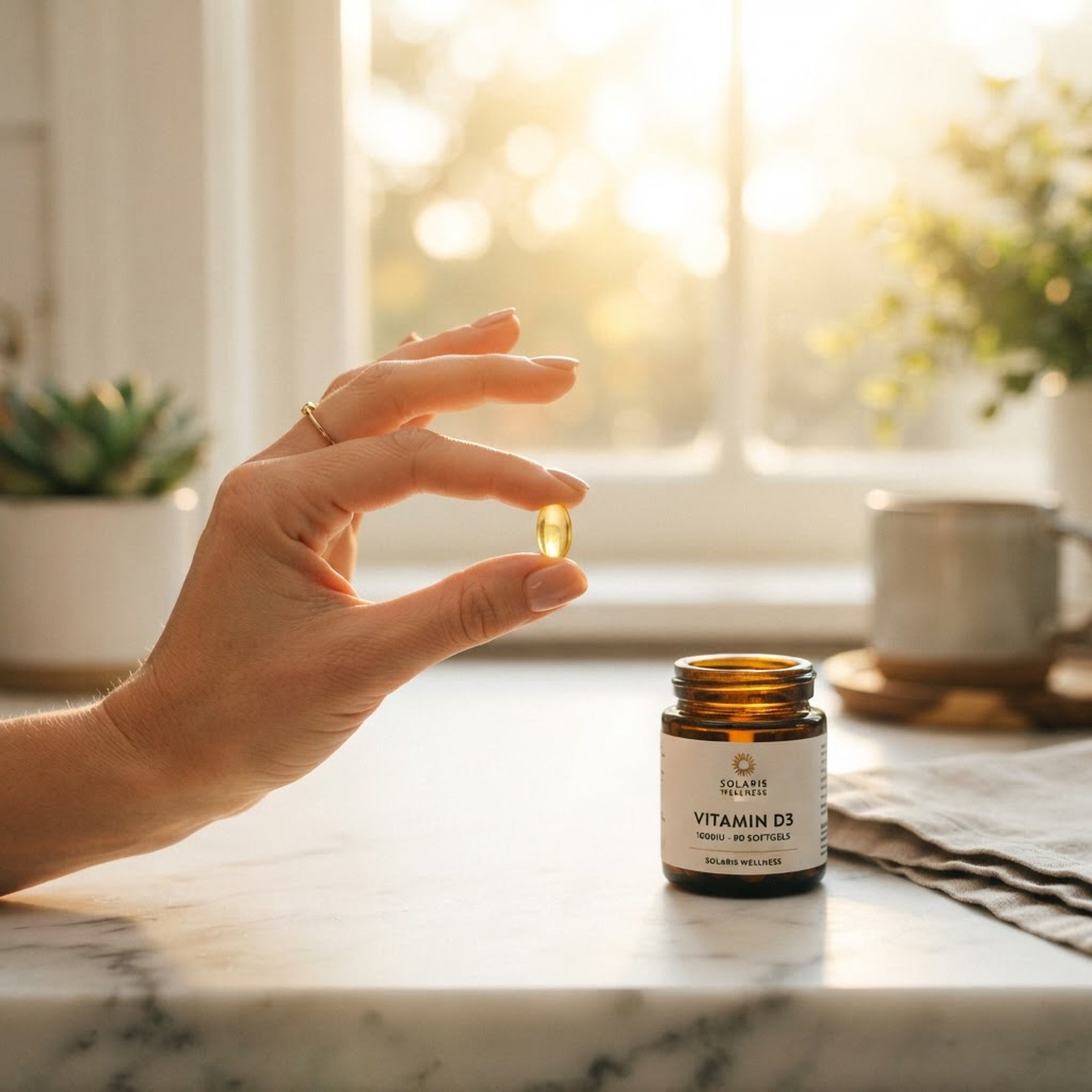
    For most people, supplementation is the most reliable way to maintain optimal vitamin D levels year-round. The two main forms are:

    • Vitamin D3 (cholecalciferol) — the form your body produces from sunlight; significantly more effective at raising blood levels than D2
    • Vitamin D2 (ergocalciferol) — plant-derived, less effective; often found in fortified foods

    Research from the American Journal of Clinical Nutrition showed that vitamin D3 was approximately 87% more potent than D2 at raising and maintaining serum 25-hydroxyvitamin D levels. Always choose D3 for supplementation.

    For optimal absorption, take vitamin D3 with a meal containing fat, since it’s fat-soluble. Pairing it with magnesium is also beneficial — magnesium is a required cofactor for the enzymes that activate vitamin D in the liver and kidneys.

    Vitamin D and Sleep Quality

    Emerging research has linked vitamin D status to sleep quality. A study published in Nutrients found that vitamin D deficiency was associated with shorter sleep duration, lower sleep efficiency, and higher rates of sleep disorders. Since sleep quality directly impacts testosterone production, optimizing vitamin D may support hormonal health through multiple pathways.

    Vitamin D receptors are present in brain regions involved in sleep regulation, including the hypothalamus and brainstem. The proposed mechanism involves vitamin D’s role in the synthesis of serotonin, which is a precursor to melatonin — your body’s primary sleep hormone.

    Safety and Potential Side Effects

    Vitamin D toxicity is rare but possible with very high doses. The tolerable upper intake level (UL) is set at 4,000 IU per day for adults, though studies suggest that doses up to 10,000 IU daily are unlikely to cause toxicity in healthy individuals. Symptoms of toxicity include:

    • Hypercalcemia (elevated blood calcium)
    • Nausea, vomiting, and constipation
    • Kidney stones (in susceptible individuals)
    • Excessive thirst and urination

    To stay safe, have your blood levels checked periodically and work with a healthcare provider to determine the right dose for your individual needs. If you’re also taking collagen supplements or other nutrients, your provider can help coordinate your supplement stack.

    The Bottom Line

    Vitamin D is one of the most impactful nutrients for hormonal health, influencing testosterone production in men, estrogen balance in women, cortisol regulation, and sleep quality. Given the high prevalence of deficiency — especially in indoor populations, darker-skinned individuals, and those living at northern latitudes — checking your vitamin D status should be a priority for anyone focused on hormone optimization.

    Pair vitamin D3 supplementation with healthy fat intake, adequate magnesium, and regular sun exposure when possible. For most adults, 2,000-4,000 IU of D3 daily is a reasonable dose, but blood testing is the only way to know your true status. If you’re serious about hormone health, vitamin D isn’t optional — it’s foundational.

    Disclaimer: This article is for informational purposes only and does not constitute medical advice. Always consult with a qualified healthcare provider before starting any supplement regimen.

  • How to Lower Cortisol Naturally: Evidence-Based Stress and Sleep Strategies

    How to Lower Cortisol Naturally: Evidence-Based Stress and Sleep Strategies

    Searches for how to lower cortisol naturally often begin with a supplement advertisement, but cortisol is not a toxin that needs to be “flushed out.” It is a vital hormone made by the adrenal glands that helps regulate blood pressure, blood sugar, immune activity, and the body’s response to challenge. The goal is a healthy daily rhythm—not the lowest possible cortisol number.

    Cortisol normally rises around waking and gradually declines across the day. Acute stress can temporarily raise it, which is useful. Problems arise when stress, sleep disruption, overtraining, illness, or medication changes repeatedly disturb the rhythm and leave you feeling wired, exhausted, or unable to recover.

    What high cortisol can and cannot tell you

    Symptoms sometimes attributed to “high cortisol” include poor sleep, irritability, cravings, abdominal weight gain, headaches, and afternoon fatigue. Those symptoms are real but nonspecific. They can also reflect depression, anxiety, thyroid disease, sleep apnea, menopause, medication effects, or an inconsistent eating pattern.

    A single saliva, urine, or blood result taken at an arbitrary time cannot diagnose chronic stress. True endocrine disorders such as Cushing syndrome are uncommon and require medical evaluation. Seek care for rapidly progressive muscle weakness, easy bruising, purple stretch marks, uncontrolled blood pressure, new diabetes, or major changes that do not improve with basic lifestyle support.

    1. Protect a consistent sleep window

    Sleep is the highest-return cortisol intervention for many people. Short sleep and irregular schedules can raise evening arousal and make the next day’s stress response less flexible. Set a wake time you can maintain most days, dim bright light in the hour before bed, and keep the bedroom cool, dark, and quiet.

    If you snore loudly, gasp during sleep, wake with headaches, or remain sleepy despite enough time in bed, ask about sleep apnea. Treating a sleep disorder is more effective than adding another “cortisol blocker.” Our sleep and testosterone guide explains how restorative sleep supports broader hormone health.

    2. Use exercise as a regulator, not another stressor

    Regular physical activity improves mood, insulin sensitivity, cardiovascular health, and stress resilience. A mix of brisk walking, resistance training, and moderate aerobic work is a strong starting point. Exercise itself briefly raises cortisol; that is normal and not a reason to avoid it.

    However, suddenly increasing training volume while under-eating and sleeping poorly can worsen fatigue. Use easier sessions on high-stress days, build gradually, and schedule recovery. Our healthy hormone habits after 40 article covers why strength training and recovery belong in the same plan.

    3. Eat regularly and include enough protein

    Long gaps between meals, aggressive dieting, and very low carbohydrate intake can feel stressful for some people, especially when combined with hard training. A balanced plate with protein, fiber-rich carbohydrates, vegetables, and unsaturated fat supports steadier energy. Protein at breakfast or lunch can also reduce the urge to compensate with highly palatable snacks later.

    There is no single “cortisol diet.” Avoid promising foods that magically lower a hormone. Instead, focus on dietary patterns associated with cardiometabolic health: plenty of plants, minimally processed foods, adequate protein, and a calorie intake appropriate for your body and activity.

    4. Practice a short downshift every day

    Slow breathing, mindfulness, yoga, prayer, journaling, and time outdoors can reduce perceived stress. A practical method is to breathe gently through the nose, making the exhale slightly longer than the inhale, for five minutes. The benefit comes from repetition and attention, not from forcing huge breaths or trying to empty your mind.

    • Try five minutes of slow breathing before opening email.
    • Take a 10-minute walk after a stressful meeting.
    • Write down tomorrow’s first task before bed to reduce mental rehearsal.
    • Keep caffeine earlier in the day if sleep is fragile.

    5. Be cautious with “adrenal fatigue” supplements

    “Adrenal fatigue” is not a recognized medical diagnosis, and multi-ingredient cortisol supplements can contain undisclosed stimulants, hormones, or ingredients that interact with medicines. Ashwagandha has some evidence for reducing self-reported stress in certain adults, but products vary and it is not risk-free. Our ashwagandha research review discusses the evidence and limitations.

    Magnesium may be useful when intake is inadequate, though it is not a universal cortisol treatment. Read our magnesium glycinate guide for forms, tolerability, and realistic expectations. Talk with a clinician or pharmacist before adding supplements if you are pregnant, have liver or kidney disease, or take sedatives, thyroid medication, blood-pressure medicine, or immunosuppressants.

    Stress, hormones, and women’s health

    Hormone transitions can change sleep, temperature regulation, mood, and stress sensitivity. During perimenopause, it is easy to label every symptom as cortisol when estrogen and progesterone are also shifting. Our perimenopause nutrition plan offers a broader framework that prioritizes steady meals, fiber, protein, and sustainable habits.

    When to seek professional help

    Make an appointment if fatigue, anxiety, insomnia, or weight change lasts several weeks, interferes with daily life, or is accompanied by concerning physical signs. A clinician can review medications, mental health, sleep, thyroid function, glucose, blood pressure, and—when appropriate—the correct testing for cortisol disorders.

    What the evidence supports

    Studies in behavioral medicine consistently link adequate sleep, regular moderate exercise, and mindfulness-based stress reduction with improvements in perceived stress and aspects of HPA-axis regulation. A 2015 review by Adam et al. in Psychoneuroendocrinology described how daily stressors and sleep interact with cortisol rhythms. Evidence supports lifestyle patterns rather than a single food or supplement, and individual responses vary.

    Bottom line

    To support a healthier cortisol rhythm, start with a regular sleep schedule, moderate movement, enough food and protein, and a brief daily stress-downshift practice. Do not chase a low cortisol number or rely on aggressive detoxes. If symptoms are severe or persistent, medical evaluation is the safer and faster path.

    This article is educational and not a diagnosis or individualized medical recommendation.

    A seven-day cortisol-support experiment

    Instead of trying to control every variable, test a few repeatable behaviors for one week. Keep the same wake time within about an hour, get outdoor light early in the day, and take a short walk after one meal. Stop caffeine earlier than usual if you are sensitive to it, and spend five minutes writing down the next day’s priorities before bed. Rate sleep quality, afternoon energy, mood, and perceived stress from 1 to 10. The goal is not a perfect score; it is to identify which small changes are worth keeping.

    Morning light and the body clock

    Light is one of the strongest signals for circadian timing. Morning daylight helps anchor the sleep-wake rhythm, especially when it is paired with a consistent wake time. A cloudy day still provides useful outdoor light, while a bright indoor room is often much dimmer than it feels. If you work nights or have a sleep disorder, your ideal schedule may be different, so use a gradual approach and professional advice when needed.

    Boundaries that reduce chronic stress

    Stress management is not only about relaxation exercises. Repeated notifications, unclear work hours, financial strain, conflict, and caregiving demands can keep the nervous system activated. Choose one boundary that is realistic: silence nonessential notifications, create a short transition ritual after work, ask for help with one recurring task, or schedule a conversation about an unresolved problem. These actions do not eliminate stress, but they can reduce the number of daily triggers.

    Alcohol, caffeine, and cortisol symptoms

    Alcohol may make some people sleepy initially but can fragment sleep later in the night. Caffeine has a long half-life and may remain active for many hours, even when you no longer feel stimulated. Neither substance needs to be treated as morally good or bad; the useful question is how timing and quantity affect your sleep, anxiety, blood pressure, and next-day energy. Change one variable at a time so you can learn from the result.

    Do not overlook mental health support

    Persistent worry, panic, low mood, irritability, or loss of interest can make normal stress feel biologically overwhelming. Cognitive behavioral therapy, counseling, support groups, and—when appropriate—medication are evidence-based options, not signs of failure. If you are in immediate danger or thinking about harming yourself, contact local emergency services or a crisis line right away.

    There is no prize for handling everything alone. A healthcare professional can help distinguish a lifestyle-related stress pattern from sleep apnea, thyroid problems, anemia, medication effects, depression, anxiety disorders, or an endocrine condition. That evaluation is more useful than repeatedly buying products marketed as “adrenal support.”

    Measure progress by function

    A healthier stress pattern may show up as falling asleep more easily, fewer afternoon crashes, steadier appetite, improved concentration, or greater patience—not necessarily a lower laboratory cortisol result. Track these practical outcomes and adjust one habit at a time. Sustainable improvement is usually quieter than the dramatic promises made by supplement advertising.

    Small changes also become more powerful when shared with the people around you. Tell family members when you are protecting a bedtime, invite a friend on a walk, or ask a colleague to clarify priorities. Social support makes healthy routines easier to repeat and can reduce the sense that stress is a problem you must solve alone.

    Start today.

  • Creatine for Healthy Aging: Benefits, Safety, and How to Use It After 40

    Creatine for Healthy Aging: Benefits, Safety, and How to Use It After 40

    Creatine for healthy aging is no longer just a topic for competitive athletes. As adults look for practical ways to preserve strength, mobility, and mental performance with age, creatine monohydrate has become one of the most studied options in sports nutrition. The important question is not whether it is trendy, but whether the evidence supports everyday use for people over 40.

    The short answer is encouraging: creatine can help increase high-intensity exercise capacity and lean-mass gains when paired with resistance training, and emerging research suggests possible benefits for cognition under stress or sleep deprivation. It is not a hormone, fat burner, or cure-all. Think of it as a tool that may make a good training and nutrition plan work a little better.

    What creatine does in the body

    Your muscles store creatine as phosphocreatine. During short, demanding efforts—such as standing from a chair repeatedly, climbing stairs, or lifting weights—phosphocreatine helps regenerate ATP, the immediate energy currency of muscle cells. Food supplies some creatine, especially meat and fish, while the body makes the rest from amino acids.

    Muscle creatine stores can fall with age, lower meat intake, inactivity, or certain medical conditions. Supplementation raises those stores gradually. That does not mean the supplement directly “builds muscle” without training; rather, it can support repeated effort so you can complete quality work and recover between sessions.

    Potential benefits after 40

    1. Better support for strength training

    Resistance training is one of the most reliable ways to protect muscle and bone as we age. In a meta-analysis of older adults, creatine combined with resistance training improved strength and lean tissue more than training alone, although results varied between studies. The practical takeaway is modest but useful: creatine may amplify a proven habit, not replace it.

    For context, this works alongside the basics covered in our natural ways to support testosterone after 40 guide and our evidence-based look at testosterone boosters. Training, adequate protein, sleep, and a healthy body composition remain more important than any single powder.

    2. Help with muscle preservation

    Age-related muscle loss is influenced by inactivity, inadequate protein, illness, and reduced responsiveness to dietary amino acids. Creatine may help preserve or increase lean mass when adults also perform progressive resistance exercise. Some of the scale increase after starting comes from water stored inside muscle cells; that is not the same thing as fat gain, and it is a normal effect.

    3. Possible cognitive support

    The brain also uses creatine for energy buffering. Small trials suggest supplementation may help some aspects of memory or reasoning, especially in vegetarians, older adults, or people experiencing sleep loss. The cognitive evidence is promising but less settled than the strength evidence. It should not be marketed as a treatment for dementia, depression, or any neurological condition.

    4. A practical recovery option

    Creatine is not a stimulant and does not provide an immediate “boost.” Its potential value comes from consistent use over weeks. That makes it compatible with a sustainable routine, especially if your goal is to train regularly rather than chase dramatic short-term sensations.

    How much creatine should you take?

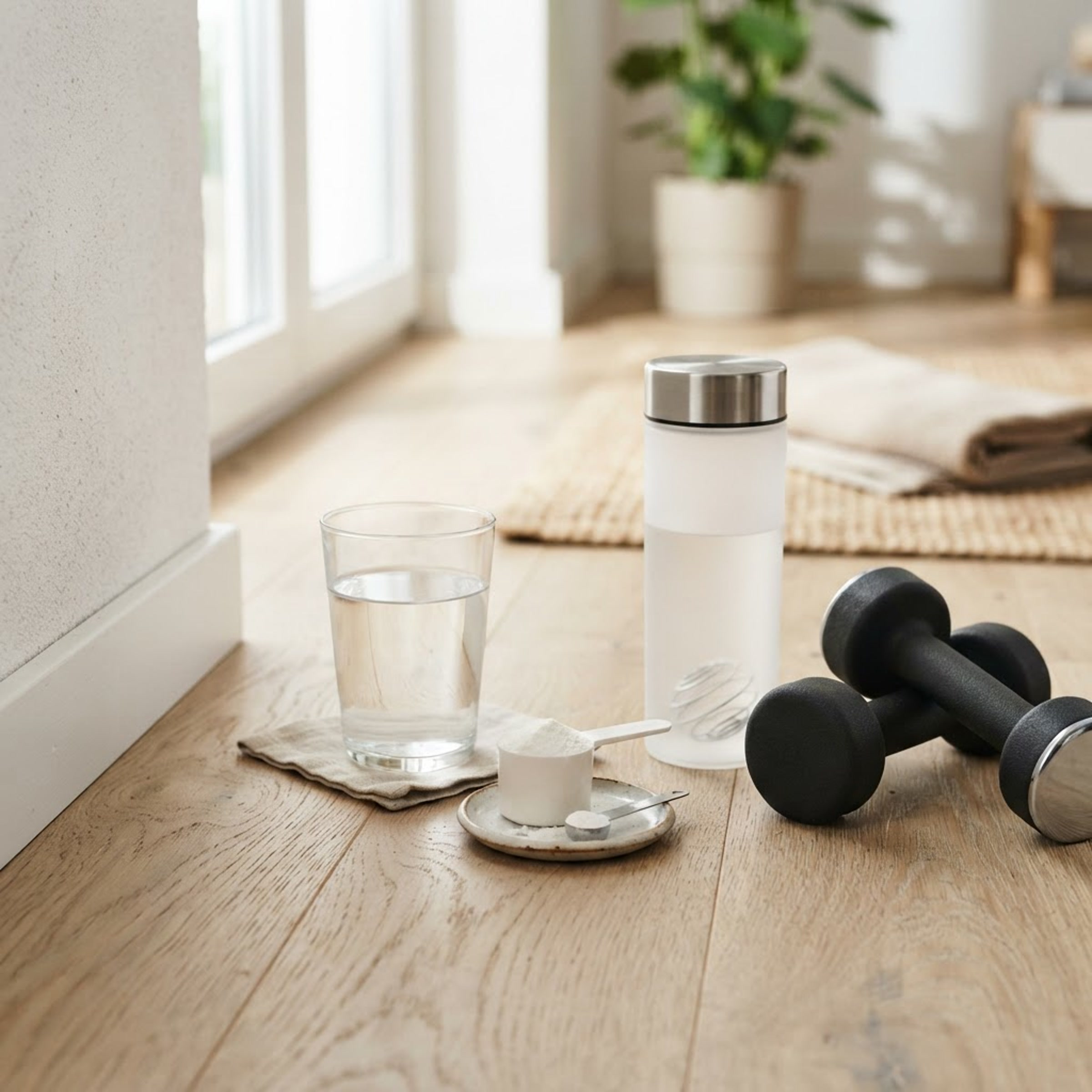
    For most healthy adults, 3 to 5 grams of creatine monohydrate daily is the simplest approach. There is no need to cycle it. A loading protocol of about 20 grams per day split into four doses for 5–7 days can raise stores faster, but it is optional and more likely to cause temporary bloating or stomach upset.

    • Choose plain creatine monohydrate; it has the strongest evidence and is usually the best value.
    • Take it at a time you can remember. Consistency matters more than a precise “anabolic window.”
    • Mix it with water or a meal and maintain normal hydration.
    • Expect any scale increase to be gradual and mostly related to water held in muscle.

    Safety, kidneys, and common concerns

    Research in healthy adults has not shown recommended-dose creatine to damage kidney function. Blood creatinine can rise because creatine is metabolized into creatinine, a laboratory marker; that change does not automatically mean kidney injury. Still, anyone with kidney disease, unexplained abnormal kidney tests, pregnancy, or complex medical conditions should speak with a clinician before using it.

    Possible side effects include gastrointestinal discomfort, especially with large loading doses. Splitting the dose, taking it with food, or using 3 grams daily can make it easier to tolerate. Supplements can also vary in quality, so choose a product with independent testing when possible.

    Pair creatine with the fundamentals

    Creatine cannot compensate for chronic sleep deprivation, very low protein intake, or an exercise plan that never progresses. Aim for regular resistance training, daily movement, and enough protein distributed across meals. Our guide to magnesium, sleep, and recovery explains why rest matters, while our anti-aging supplement review puts creatine in perspective among other popular products.

    If you eat little or no meat, the response to creatine may be more noticeable because baseline muscle stores can be lower. That does not make supplementation mandatory; it simply gives a reasonable explanation for why some people report a larger benefit than others.

    What the research says

    Key evidence includes the position stand from the International Society of Sports Nutrition (Kreider et al., Journal of the International Society of Sports Nutrition, 2017), randomized trials in older adults combining creatine with resistance training, and systematic reviews examining strength and lean mass. A 2022 meta-analysis in Journal of Cachexia, Sarcopenia and Muscle reported benefits for some strength and body-composition outcomes when creatine was paired with resistance exercise. Results are not identical for everyone, and long-term studies in specific medical populations are still needed.

    Bottom line

    Creatine monohydrate is one of the better-supported supplements for adults who want to preserve strength and muscle as they age. Start with 3–5 grams daily, train consistently, eat enough protein, and ask your healthcare professional for individual advice if you have kidney concerns or take medications. It is a useful addition to healthy aging—not a replacement for the habits that do most of the work.

    This article is educational and not a diagnosis or individualized medical recommendation.

    How to build a simple creatine routine

    Many supplement plans fail because they are too complicated. A useful routine can be as simple as placing the creatine container beside the breakfast items you already use. Take one level scoop according to the product label, record it in your habit tracker for the first few weeks, and then let the routine become automatic. Missing one day is not dangerous; simply resume the normal daily amount rather than doubling up.

    Pair the supplement with a training plan that has measurable but gradual progression. Two or three full-body sessions per week can include a squat or sit-to-stand pattern, a hinge such as a deadlift variation, a pushing movement, a pulling movement, and a loaded carry. Start with a weight that allows controlled repetitions and leave room to improve. Older adults or anyone returning after illness should get individualized guidance from a qualified professional.

    Creatine and body weight

    Some people notice a small increase on the scale during the first few weeks. Creatine draws water into muscle cells, which can support the environment for training but is not the same as swelling or fat gain. If you are monitoring body weight for a medical reason, track waist measurement, strength, energy, and how clothing fits alongside the scale. People with heart failure, fluid restrictions, or kidney disease should discuss any supplement with their clinician first.

    Choosing a trustworthy product

    Look for a short ingredient list that identifies creatine monohydrate and provides a clear serving size. Independent certification or batch testing can reduce the risk of contamination, but no label can guarantee that a supplement is appropriate for every person. Avoid products that promise dramatic hormone changes, rapid fat loss, or protection from multiple diseases. Those claims go beyond the evidence and often signal an unnecessarily expensive formula.

    Questions to ask before starting

    • Do I have kidney disease, abnormal kidney tests, or a fluid restriction?
    • Am I taking medicines that require monitoring of kidney function or hydration?
    • Can I commit to regular resistance exercise and adequate food?
    • Will my healthcare professional know I am using it before routine blood work?

    These questions keep the decision grounded in your health rather than marketing. For most healthy adults, plain creatine monohydrate at a modest daily dose has a favorable evidence and safety profile. The biggest gains in healthy aging still come from sleep, movement, nutritious food, social connection, and preventive healthcare.

    Keep expectations realistic

    Creatine works best as a long-term support strategy. Benefits may be subtle at first, and not everyone responds in the same way. Review progress after eight to twelve weeks of consistent training rather than judging the product after a single workout. If there is no improvement, check your program, protein intake, sleep, technique, and recovery before automatically increasing the dose.

    Finally, remember that supplement decisions should fit your values and budget. If paying for creatine would displace groceries, a gym membership, or a medical appointment, prioritize those essentials. If it fits comfortably, choose the simplest evidence-based option and review it with your clinician when you have questions.

  • Collagen Supplements: Science-Based Guide to Skin, Joint, and Gut Health

    Collagen Supplements: Science-Based Guide to Skin, Joint, and Gut Health

    Collagen is the most abundant protein in your body — the structural scaffolding for skin, joints, tendons, and the gut lining. Production starts declining in your mid-twenties, dropping roughly 1% per year after age 25. That slow fade is a big part of why skin thins, joints creak, and recovery slows with age.

    Collagen supplements — mostly hydrolyzed peptides — became a multi-billion-dollar category on the promise of reversing some of that decline. The good news: this is one trendy supplement with real trial data behind it. The catch: not all products are equal, and the effects are meaningful but modest.

    What Is Collagen and Why Does It Decline?

    Collagen is a family of structural proteins. Types I and III dominate skin, tendons, and bones; type II is the main collagen in cartilage. Your body builds collagen from amino acids — especially glycine, proline, and hydroxyproline — with vitamin C as an essential cofactor.

    Production naturally slows with age, and it’s accelerated by UV exposure, smoking, high sugar intake, and chronic stress. Unlike muscle protein, collagen can’t simply be “eaten” directly to rebuild tissue — but hydrolyzed collagen peptides appear to signal your own cells to build more.

    Better Skin: What the Trials Show

    Skin is where collagen research is strongest:

    • Multiple randomized controlled trials show hydrolyzed collagen supplementation improves skin hydration and elasticity after 8–12 weeks of daily use.
    • A 2021 systematic review of 19 studies, covering over 1,100 participants, concluded that collagen supplementation improves skin hydration, elasticity, and roughness, with benefits building over about 12 weeks.
    • Some trials also report reduced wrinkle depth and improved dermal collagen density.

    The proposed mechanism is elegant: specific collagen peptides reach the skin and appear to stimulate fibroblasts — the cells that manufacture new collagen and elastin.

    Skin aging is multi-factorial, of course. Collagen stacks well with broader strategies — our guide to the best anti-aging supplements in 2026 covers the full evidence-based stack, and cellular-aging support like NMN and NAD+ works through entirely different pathways.

    Joint Support: Real but Modest

    For joints, the data is decent and growing:

    • Trials in athletes with activity-related joint pain found collagen peptide supplementation reduced pain during activity and improved recovery.
    • Studies using undenatured type II collagen (UC-II) at small 40 mg doses showed improvements in osteoarthritis symptoms comparable to standard treatments in some trials.
    • Research suggests collagen peptides accumulate in cartilage and may stimulate chondrocytes — cartilage-building cells.

    One practical tip from the sports-science literature: taking collagen with vitamin C about 30–60 minutes before resistance or impact training may deliver more peptide to the stressed tissue.

    Gut Health: Promising but Early

    The gut is collagen’s most speculative frontier. The theory is compelling — collagen is rich in glycine and glutamine, amino acids that fuel intestinal cells, and the gut lining itself contains collagen. Preliminary studies suggest collagen peptides may support gut barrier integrity, but rigorous human trials are still limited. Consider this a “promising, not proven” benefit.

    Marine vs. Bovine Collagen: Does It Matter?

    Bovine collagen (from cows) is rich in types I and III — the best-supported choice for skin and general anti-aging.

    Marine collagen (from fish) is also type I-dominant and may be absorbed slightly more efficiently due to smaller peptide size. It’s a good alternative for people avoiding beef products.

    Chicken collagen / eggshell membrane products supply type II — aimed at joint-specific support.

    For most people, type I/III from bovine or marine sources is the sensible default.

    How Much Collagen Should You Take?

    • Skin benefits: 2.5–10 g of hydrolyzed collagen peptides daily in trials
    • Joint support: 10 g daily, or 40 mg UC-II for undenatured type II products
    • Timing: any time of day; consistency matters far more than timing

    Collagen is rich in glycine but is not a complete protein — it shouldn’t replace protein powder for muscle goals. It also pairs well with glycine-rich magnesium glycinate at night for sleep support, which we cover in Magnesium Glycinate: Benefits for Sleep, Anxiety, and Muscle Recovery.

    Safety and Side Effects

    Collagen supplements have an excellent safety record at studied doses. Mild digestive discomfort is the most common complaint. People with fish, shellfish, or egg allergies should check sourcing carefully, and anyone with a history of kidney stones should discuss high-protein supplementation with their doctor.

    Frequently Asked Questions

    How long until collagen works?

    Skin studies typically measure results at 8–12 weeks. Joint benefits in athletes sometimes appear sooner, around 4–8 weeks.

    Does collagen break a fast?

    A scoop of collagen contains calories and protein, so technically yes. In practice, small doses (5 g) have a minimal metabolic effect and many people take it during fasting windows without issue.

    Is collagen better than whey protein?

    They serve different purposes. Whey is a complete protein for muscle building; collagen is a targeted structural supplement. Most people benefit from both or just whey, depending on goals.

    The Bottom Line

    Collagen peptides earn their place in a supplement routine with solid evidence for skin elasticity and hydration, decent data for joint comfort, and a promising gut story still under investigation. Buy hydrolyzed peptides from a brand that discloses sourcing and third-party testing, take 10 g daily, and give it a full 12 weeks before judging results. Combined with sun protection, adequate protein, and good sleep, it’s one of the most defensible “beauty from within” supplements on the market today.

    This article is for informational purposes only and is not a substitute for medical advice. Consult your physician before starting any supplement.

  • Magnesium Glycinate: Benefits for Sleep, Anxiety, and Muscle Recovery

    Magnesium Glycinate: Benefits for Sleep, Anxiety, and Muscle Recovery

    Walk down any supplement aisle and you’ll find a dozen forms of magnesium — oxide, citrate, chloride, threonate. But one form keeps coming up in sleep and stress research: magnesium glycinate. It’s a chelated form, meaning the mineral is bound to glycine, an amino acid that has calming properties of its own.

    Roughly half of adults don’t get enough magnesium from diet alone, according to national nutrition survey data. Low intake is quietly linked to poorer sleep quality, higher perceived stress, muscle cramps, and even blood sugar issues. This guide breaks down what the science actually says about magnesium glycinate — who benefits, how much to take, and what to watch out for.

    What Is Magnesium Glycinate?

    Magnesium glycinate (sometimes sold as magnesium bisglycinate) is magnesium bound to two glycine molecules. This chelation does two important things:

    • Better absorption: chelated magnesium is absorbed through peptide pathways in the gut, making it less likely to cause the laxative effect associated with magnesium oxide or citrate.
    • Added calming effect: glycine is an inhibitory neurotransmitter that can improve sleep quality on its own. Studies on glycine supplementation show faster sleep onset and better subjective sleep quality.

    That combination is why magnesium glycinate has become the go-to form for people taking magnesium at night for sleep and stress support.

    Benefit 1: Better Sleep Quality

    Magnesium plays a direct role in sleep regulation. It acts as a natural NMDA receptor antagonist and supports the function of GABA, the brain’s main calming neurotransmitter — the same receptor system many sleep medications target.

    Research findings on magnesium and sleep include:

    • A double-blind trial in elderly adults with insomnia found magnesium supplementation improved subjective sleep quality, sleep duration, and time-to-fall-asleep measures.
    • Observational studies consistently associate low magnesium intake with poor sleep quality and shorter sleep duration.
    • Magnesium helps regulate the hypothalamic-pituitary-adrenal (HPA) axis, the stress system that keeps anxious, wired brains awake at night.

    Better sleep matters far beyond energy. As we covered in Sleep and Testosterone: How Better Rest Supports Male Hormone Health, deep sleep is when the body produces most of its testosterone. Poor sleep quietly undermines the results of everything else you do for your health.

    Benefit 2: Reduced Anxiety and Stress Response

    Chronic stress drains magnesium — and low magnesium makes the stress response stronger. It’s a two-way street, and it’s why magnesium is one of the most commonly recommended supplements for stress support.

    In preclinical studies, magnesium deficiency increased HPA-axis reactivity, while restoring magnesium reduced anxiety-like behaviors. Human trials are promising if not yet definitive: a systematic review of magnesium supplementation for anxiety found evidence of benefit, though researchers call for larger trials.

    For stress support, magnesium glycinate is often stacked with adaptogens. If you’re exploring that direction, see Ashwagandha and Testosterone: What the Research Really Shows — the two work well together for evening stress and sleep support.

    Benefit 3: Muscle Recovery and Cramp Relief

    Magnesium is involved in muscle contraction and relaxation, nerve signaling, and over 300 enzymatic reactions. Athletes lose magnesium through sweat, and deficiency can manifest as muscle cramps, twitching, and longer recovery times.

    • Magnesium competes with calcium at the neuromuscular junction — it’s the “relax” mineral to calcium’s “contract” signal.
    • Trial data in pregnant women and older adults suggests magnesium reduces the frequency of nighttime leg cramps.
    • Emerging research links magnesium status to exercise recovery markers, though evidence is mixed.

    Who Is Most Likely to Be Deficient?

    Certain groups consistently show lower magnesium status:

    • People with high stress levels (stress increases urinary magnesium loss)
    • Those taking PPI acid-reflux medications, which reduce magnesium absorption
    • People with type 2 diabetes — insulin resistance increases urinary magnesium loss
    • Heavy exercisers and anyone who drinks alcohol regularly
    • Women in perimenopause, where hormonal shifts worsen both sleep and stress — see Perimenopause Nutrition: A Science-Based Eating Plan for Hormone Balance for the full picture

    How Much Magnesium Glycinate Should You Take?

    The recommended dietary allowance (RDA) for magnesium is 310–420 mg per day depending on age and sex, including what you get from food. Typical supplement doses are:

    • General support: 200–300 mg of elemental magnesium daily
    • Sleep support: 200–400 mg taken 1–2 hours before bed
    • Upper limit: avoid more than 350 mg from supplements alone (the FDA’s supplemental upper limit) unless advised by a doctor

    Tip: check the elemental magnesium amount on the label, not the total glycinate weight. A “1,000 mg magnesium glycinate” capsule might only contain 100 mg of actual magnesium.

    Safety and Side Effects

    Magnesium glycinate is well tolerated at recommended doses. Unlike magnesium oxide or citrate, it rarely causes digestive upset. Important cautions:

    • People with kidney disease should not supplement magnesium without medical supervision.
    • Magnesium can interact with certain antibiotics, bisphosphonates, and thyroid medication — separate by 2–4 hours.
    • Very high doses can cause low blood pressure, nausea, and in extreme cases heart rhythm changes.

    Frequently Asked Questions

    Is magnesium glycinate better than magnesium citrate?

    For sleep and stress support, yes — glycine adds its own calming effect. Citrate is absorbed well too, but it has a laxative effect and is better suited for constipation support.

    Can I take magnesium glycinate every night?

    Yes. Daily use is standard, and benefits for sleep often build over 1–4 weeks of consistent use.

    Does magnesium glycinate interact with melatonin?

    No negative interaction — the two are commonly combined for sleep. Magnesium works on GABA and the HPA axis while melatonin signals circadian timing.

    The Bottom Line

    Magnesium glycinate is one of the few supplements with a strong rationale for almost anyone with a stressful life and mediocre sleep. It’s gentle, well absorbed, pairs well with glycine’s own calming effects, and addresses one of the most common nutrient shortfalls in modern diets. Pair it with consistent sleep habits — and if your goals include hormone health, revisit our guide to natural ways to boost testosterone after 40 to see how the pieces fit together.

    This article is for informational purposes only and is not a substitute for medical advice. Consult your physician before starting any supplement.

  • Perimenopause Nutrition: A Science-Based Eating Plan for Hormone Balance

    Perimenopause Nutrition: A Science-Based Eating Plan for Hormone Balance

    Perimenopause is the transition before menopause. It can bring changing cycles, hot flashes, sleep disruption, mood shifts, and changes in appetite or body composition. Nutrition cannot stop the transition, but a consistent eating pattern can support bone, heart, muscle, metabolic, and digestive health while symptoms fluctuate.

    The best plan is not a detox or an aggressive calorie cut. It is a flexible pattern built around protein, fiber, plants, healthy fats, calcium-rich foods, and enough energy to support daily life. This article is educational and does not replace individualized medical advice.

    What changes during perimenopause?

    Ovarian hormone production becomes more variable before it eventually declines. Estrogen can rise and fall unpredictably, ovulation becomes less consistent, and progesterone production can change. Those shifts may affect sleep, temperature regulation, appetite, mood, and fat distribution. The experience is individual, so an eating plan should respond to symptoms and medical history rather than promise to reset hormones.

    For background, see our overview of estrogen-related symptoms and causes. A symptom does not automatically mean estrogen dominance, and persistent or severe symptoms deserve proper evaluation.

    The perimenopause plate

    Start with protein

    Muscle can become harder to maintain with age, particularly when sleep, activity, and hormones are changing. Include protein at each meal: fish, eggs, Greek yogurt, tofu, tempeh, beans, lentils, poultry, or lean meat. A practical target for many adults is roughly 25–35 grams at a meal, but needs vary with body size, activity, kidney health, and dietary pattern.

    Build fiber gradually

    Beans, vegetables, berries, fruit, oats, whole grains, nuts, and seeds provide fiber that supports bowel regularity, cholesterol management, and a steadier post-meal glucose response. Increase fiber slowly and drink enough fluid to reduce bloating. Variety matters more than any single superfood.

    Include calcium and vitamin D sources

    Bone health deserves attention before menopause. Dairy foods, calcium-set tofu, fortified plant milks, canned fish with bones, and some greens contribute calcium. Vitamin D status depends on sunlight, geography, skin pigmentation, age, and other factors; supplementation is best guided by a clinician or lab result. Weight-bearing exercise and resistance training matter too.

    Choose unsaturated fats

    Olive oil, avocado, walnuts, almonds, seeds, and oily fish fit a heart-supportive pattern. The Mediterranean-style diet is not magic, but its combination of plants, legumes, fish, whole grains, and unsaturated fats has strong support for cardiometabolic health and is adaptable to different cultures and budgets.

    Food habits for common symptoms

    • Hot flashes: notice personal triggers such as alcohol, spicy food, overheating, or large amounts of caffeine. Triggers vary, so track patterns instead of banning everything.
    • Sleep disruption: eat regularly, avoid heavy meals immediately before bed, and limit alcohol. Alcohol may worsen night waking and hot flashes.
    • Energy dips: pair carbohydrates with protein and fiber, such as fruit with yogurt or whole-grain toast with eggs.
    • Bloating or constipation: increase fiber and fluids slowly, include movement, and seek care for persistent pain, bleeding, vomiting, or unexplained weight loss.
    • Cravings: regular meals, adequate protein, and planned enjoyable foods are usually more sustainable than rigid rules.

    Soy, flax, and DIM

    Soy foods contain isoflavones, plant compounds that interact with estrogen receptors. Research on soy foods and menopausal symptoms is mixed, but tofu, tempeh, edamame, and unsweetened soy milk can be nutritious choices for most people. Whole foods are not the same as concentrated extracts; ask a clinician about thyroid conditions or medication interactions.

    Ground flaxseed contributes fiber and lignans and can fit into a balanced diet. DIM supplements are more complicated: doses vary, clinical evidence is limited for many marketed uses, and products can interact with medications. Read our explanation of DIM for women’s hormone balance before considering one, and never use it to delay assessment of abnormal bleeding.

    A one-day template

    • Breakfast: Greek yogurt or fortified soy yogurt with berries, oats, walnuts, and ground flax.
    • Lunch: lentil and vegetable salad with olive oil, whole-grain bread, and fruit.
    • Snack: apple with peanut butter or hummus with vegetables.
    • Dinner: salmon or tofu, roasted vegetables, and potatoes or quinoa.
    • Hydration: water throughout the day, adjusted for climate, exercise, and medical guidance.

    When to seek medical advice

    Heavy bleeding, bleeding after sex, bleeding after menopause, chest pain, severe depression, fainting, or sudden neurological symptoms require prompt medical attention. A clinician can discuss evidence-based options for hot flashes, sleep problems, vaginal symptoms, migraine, mood changes, and contraception. Menopause hormone therapy may be appropriate for some people and inappropriate for others; nutrition should complement, not replace, that conversation.

    The bottom line

    Perimenopause nutrition protects the foundations: protein and resistance training for muscle, calcium and vitamin D for bones, plants and fiber for metabolic health, and unsaturated fats for the heart. Track your symptoms, make one change at a time, and be skeptical of products that promise to balance every hormone without good evidence. Our anti-aging supplement guide explains how to separate plausible mechanisms from proven outcomes.

    Sources

    • The North American Menopause Society. Nonhormone therapy position statement and menopause education.
    • USDA and National Academies guidance on protein, fiber, and calcium.
    • Messina M. Soy and health update. Nutrients. 2016;8(12):754.
    • American College of Obstetricians and Gynecologists. Menopause and abnormal uterine bleeding guidance.

    How to adapt the plan to different eating styles

    A hormone-supportive eating pattern does not require meat, dairy, gluten, or expensive specialty foods. On a vegetarian pattern, combine beans, lentils, tofu, tempeh, eggs, yogurt, or fortified foods across the day. On a vegan pattern, pay attention to vitamin B12 and choose fortified calcium and vitamin D sources. If you eat fish, two servings weekly can provide protein and omega-3 fats; if not, discuss alternatives with a clinician.

    Budget-friendly staples

    Frozen vegetables, canned beans, oats, brown rice, potatoes, eggs, plain yogurt, tinned fish, peanut butter, and seasonal fruit can build inexpensive meals. Batch-cook one grain, one legume, and a tray of vegetables. Add a simple sauce or herb blend so the same ingredients do not feel repetitive. Health is easier to maintain when the plan works on busy weekdays, not just on ideal days.

    Portions without calorie obsession

    Use hunger, fullness, activity, and goals as feedback. A plate can be half vegetables or fruit, one quarter protein, and one quarter a fiber-rich carbohydrate, with a thumb-sized portion of unsaturated fat. This is a starting visual, not a rule. People with diabetes, a history of disordered eating, gastrointestinal disease, or kidney disease may need individualized guidance instead of generic portion advice.

    Exercise belongs in the nutrition plan

    Resistance training is one of the most useful tools for preserving muscle and supporting bone as estrogen changes. Two or three weekly sessions can include a squat or sit-to-stand, a hinge, a push, a pull, and loaded carries, adjusted for experience and joint comfort. Add walking, stairs, dancing, cycling, or another activity you will actually repeat. Nutrition supports training; it does not replace it.

    How to evaluate hormone-balance claims

    Be cautious when a product claims to “flush excess estrogen,” fix every symptom, or guarantee weight loss. Ask four questions: What is the active ingredient and dose? Was the product studied in people like me? Was the outcome meaningful, such as fewer hot flashes or better sleep, rather than only a laboratory marker? Are quality testing and interactions explained? A plausible mechanism is not the same as a proven treatment.

    Keep a short symptom log when trying a change: cycle timing, hot flashes, sleep, mood, digestion, exercise, and the change you made. Change one major variable at a time and give it a reasonable trial unless it causes side effects. This makes it easier to separate a true pattern from normal week-to-week fluctuation.

    Questions to discuss with a clinician

    Ask about heavy or irregular bleeding, anemia screening, bone-health risk, blood pressure, cholesterol, glucose, migraine, contraception, and treatment options for bothersome symptoms. Perimenopause can overlap with thyroid problems, pregnancy, medication effects, depression, and other conditions, so it should not be used as a catch-all explanation. Seek prompt care for very heavy bleeding, fainting, chest pain, severe depression, or new neurological symptoms.

    The most sustainable plan is the one that protects health while leaving room for culture, enjoyment, and real life. Build meals around protein and plants, train for strength, sleep as well as you can, and use qualified medical support when symptoms interfere with daily life.

    Make the plan sustainable

    Use an 80-percent approach: most meals can follow the template, while celebrations, restaurant meals, and favorite desserts still fit. Perimenopause is a life stage, not a test of discipline. Consistency with protein, plants, movement, and sleep matters more than a perfect menu for three days.

    Review progress monthly rather than daily. Look for steadier energy, better bowel regularity, improved strength, or fewer symptom disruptions. If a change creates anxiety, guilt, or restrictive eating, step back and seek support from a registered dietitian or qualified clinician.

    Putting the evidence into practice

    Health changes work best when they are specific, measurable, and easy enough to repeat. Choose one starting action for the next seven days. For sleep, that might be a consistent wake time, a morning outdoor walk, or moving caffeine earlier. For nutrition, it might be adding a protein-rich breakfast, preparing one bean-based lunch, or including a calcium-rich food each day. Write the action down and make the environment support it.

    When life interrupts the plan, restart at the next meal or next night rather than waiting for Monday. A missed workout or convenience meal does not erase progress. Avoid using symptoms as a reason to blame yourself; hormones, sleep, stress, medical conditions, and medications can interact in complicated ways. The goal is informed experimentation and appropriate care, not perfection.

    Keep a record of questions for your healthcare professional. Bring medication and supplement labels, your symptom timeline, family history, and any relevant home readings. Good medical decisions are easier when the conversation includes both what you have tried and what you hope to improve.

  • Sleep and Testosterone: How Better Rest Supports Male Hormone Health

    Sleep and Testosterone: How Better Rest Supports Male Hormone Health

    Sleep is not merely downtime. It is one of the conditions that supports a healthy daily testosterone rhythm, along with adequate nutrition, movement, and stress regulation. Testosterone commonly rises during sleep and reaches a morning peak, although timing differs with age, schedule, light exposure, and individual biology.

    This guide explains what research shows about sleep and testosterone without promising a quick hormone hack. It is educational information, not a diagnosis or substitute for medical care.

    What the research shows

    In a controlled study published in JAMA, young men restricted to about five hours of sleep per night for one week experienced a measurable reduction in daytime testosterone compared with their rested baseline. The study was small and short, so it cannot predict every person’s response. It does support a practical conclusion: repeated sleep restriction is not neutral for the endocrine system.

    Testosterone production depends on communication between the hypothalamus, pituitary gland, and testes. Sleep helps coordinate that signaling. Short sleep, frequent awakenings, and circadian disruption can also affect appetite, glucose regulation, mood, and training recovery, making the whole picture feel like a hormone problem.

    Three sleep problems that matter

    Too little total sleep

    Most adults function best with roughly seven to nine hours, though individual needs vary. Regularly cutting sleep short reduces time for the later sleep cycles that contribute to normal hormonal rhythms. Weekend catch-up may improve alertness, but it does not fully erase a chronic sleep debt.

    Fragmented sleep

    Time in bed is not the same as restorative sleep. Pain, alcohol, noise, stress, and an untreated sleep disorder can repeatedly interrupt sleep architecture. Loud snoring, gasping, morning headaches, or severe daytime sleepiness warrant a clinical conversation because obstructive sleep apnea can affect quality of life and metabolic health.

    Shift work and stress

    Night shifts, rotating schedules, late-night bright light, and persistent stress can move the body clock away from the desired sleep window. Cortisol and testosterone have different jobs, but poor sleep and under-recovery often cluster together and can worsen energy, mood, and sexual health.

    Five ways to support better sleep

    • Anchor your wake time. A consistent morning wake time is often more useful than forcing an early bedtime. Keep weekends reasonably close to weekdays.
    • Get morning daylight. Outdoor light helps regulate circadian timing. A short walk also adds gentle movement.
    • Protect the final hour. Dim lights, reduce stimulating work, and keep the bedroom cool, quiet, and dark. Use a low-light phone setting if needed.
    • Review alcohol and caffeine. Alcohol can cause later-night fragmentation. Caffeine sensitivity varies, but an afternoon cutoff is a useful experiment.
    • Train and recover. Resistance and aerobic exercise support health. Very hard training paired with too few calories and too little sleep can backfire.

    Do sleep supplements help?

    Supplements are not a replacement for treating apnea, depression, medication effects, or an inconsistent schedule. Magnesium, glycine, melatonin, and herbal products have different evidence and quality controls. Melatonin is more clearly useful for some circadian-timing problems than as a universal sedative. Ask a clinician or pharmacist before adding a product, especially if you take medication.

    Our guide to ashwagandha and testosterone research explains why promising small trials deserve cautious interpretation. The same applies to sleep products: look for a defined dose, independent testing, and realistic claims.

    When to test testosterone

    Low energy alone does not prove low testosterone. Sleep loss, depression, thyroid disease, anemia, medication effects, excess alcohol, and inadequate nutrition can cause similar symptoms. Persistent low libido, erectile difficulties, reduced morning erections, loss of strength, or unexplained fatigue deserve a professional evaluation.

    When testing is appropriate, clinicians generally use an early-morning blood test and repeat an unexpectedly low result before diagnosing deficiency. Do not start testosterone therapy or boosters based on an online quiz. Compare our guides to natural ways to support testosterone after 40 and what testosterone boosters can and cannot do.

    The takeaway

    Better sleep is foundational physiology, not a flashy shortcut. Aim for a consistent schedule, enough total sleep, a dark and cool bedroom, regular movement, and evaluation of symptoms that suggest a sleep disorder. Those steps support testosterone, mood, metabolism, and performance at the same time.

    Sources

    • Leproult R, Van Cauter E. Effect of 1 week of sleep restriction on testosterone levels in young healthy men. JAMA. 2011;305(21):2165–2173.
    • National Sleep Foundation. Sleep duration recommendations for adults.
    • American Academy of Sleep Medicine. Guidance on obstructive sleep apnea evaluation.

    How to build a realistic sleep reset

    Start with observation, not perfection. For seven days, record your bedtime, estimated time asleep, wake time, awakenings, caffeine, alcohol, training, and how alert you feel. A simple diary can reveal whether the main issue is a late schedule, an inconsistent wake time, an uncomfortable bedroom, or repeated interruptions. It can also give a clinician useful information if symptoms continue.

    Week one: stabilize the morning

    Choose a wake time that you can maintain most days. Get outside soon afterward, eat breakfast if that suits you, and avoid turning a poor night into a day-long cycle of naps and extra caffeine. If you need a nap, keep it earlier and brief. The goal is not to punish yourself; it is to rebuild predictable sleep pressure for the following night.

    Week two: improve the bedroom

    Keep the room cool and as dark as possible. Consider an eye mask, earplugs, white noise, or a partner-friendly approach if noise is a problem. Reserve the bed for sleep and intimacy when possible. If you are awake and frustrated for a long time, get up briefly for a quiet activity in dim light, then return when sleepy. This helps prevent the bed from becoming associated with worry.

    Week three: match training to recovery

    Exercise is beneficial, but more is not always better. If performance drops, resting heart rate is unusually elevated, irritability increases, or soreness lingers, reduce intensity for several days and prioritize food and sleep. Strength training two or three times weekly can support muscle, while walking and moderate aerobic work provide cardiovascular benefits without overwhelming recovery.

    Common myths about sleep and testosterone

    Myth: one bad night permanently lowers testosterone. A single poor night may affect how you feel and can influence short-term measurements, but it is the repeated pattern that deserves attention.

    Myth: a supplement can cancel out sleep deprivation. No capsule reliably replaces sufficient, consolidated sleep. Products may be useful for a specific deficiency or circadian issue, but they do not make chronic five-hour nights healthy.

    Myth: morning testosterone is always the whole story. Testosterone varies across the day and between days. Clinicians interpret a result alongside symptoms, repeat testing, medications, health history, and the timing and quality of the sample.

    Questions to take to a clinician

    If you suspect a hormone or sleep problem, bring a list of symptoms, sleep timing, medications, supplements, alcohol use, and relevant medical history. Ask whether screening for sleep apnea, thyroid disease, anemia, depression, or metabolic conditions is appropriate. If testosterone testing is discussed, ask when to test, whether a repeat sample is needed, and how the result will change the plan.

    Medical evaluation is especially important when there is loud snoring with pauses in breathing, uncontrollable daytime sleepiness, infertility concerns, testicular symptoms, new severe headaches, or a rapid change in sexual function. A responsible plan looks for the cause instead of chasing a number.

    A note on expectations

    Improving sleep may help energy and recovery before it changes any laboratory value. Notice practical outcomes such as fewer awakenings, steadier afternoon focus, better workouts, and improved mood. If symptoms remain despite several weeks of consistent sleep, that is useful information rather than a failure. It means the next step may be checking another contributor with professional guidance instead of adding another product.

    Small changes compound: a regular wake time, morning light, moderate caffeine, a comfortable room, and a training plan that respects recovery. Treat these as health fundamentals, not as a promise of a dramatic hormone increase.

    Putting the evidence into practice

    Health changes work best when they are specific, measurable, and easy enough to repeat. Choose one starting action for the next seven days. For sleep, that might be a consistent wake time, a morning outdoor walk, or moving caffeine earlier. For nutrition, it might be adding a protein-rich breakfast, preparing one bean-based lunch, or including a calcium-rich food each day. Write the action down and make the environment support it.

    When life interrupts the plan, restart at the next meal or next night rather than waiting for Monday. A missed workout or convenience meal does not erase progress. Avoid using symptoms as a reason to blame yourself; hormones, sleep, stress, medical conditions, and medications can interact in complicated ways. The goal is informed experimentation and appropriate care, not perfection.

    Keep a record of questions for your healthcare professional. Bring medication and supplement labels, your symptom timeline, family history, and any relevant home readings. Good medical decisions are easier when the conversation includes both what you have tried and what you hope to improve.

    Most importantly, use sleep as one part of a broader health picture. Pair it with balanced meals, resistance training, social connection, and preventive care. That combination is far more reliable than chasing an isolated testosterone number or buying a product with exaggerated claims.

  • Estrogen Dominance: 10 Signs, Causes, and Natural Solutions

    Estrogen Dominance: 10 Signs, Causes, and Natural Solutions

    Estrogen dominance is one of the most common — and most misdiagnosed — hormonal imbalances in women. Despite affecting an estimated 50% of women over 35, many have never heard the term. They just know something feels off: weight that won’t budge, periods that are getting heavier, mood swings that come out of nowhere, and a general sense that their hormones are running the show.

    Here’s what makes estrogen dominance so tricky: it’s not always about having too much estrogen. Often, it’s about having too much estrogen relative to progesterone. The ratio matters more than the absolute number. And this imbalance can develop silently over years before symptoms become noticeable.

    In this guide, we’ll explain what estrogen dominance is, how to recognize the signs, what causes it, and the science-backed natural strategies that can help restore balance — including the role of DIM supplementation, which we’ve covered in detail in our DIM supplements guide and our article on DIM for women’s hormone balance.

    What Is Estrogen Dominance?

    Estrogen dominance occurs when the ratio of estrogen to progesterone is too high. This can happen in two ways:

    • Absolute estrogen dominance: Your body produces too much estrogen.
    • Relative estrogen dominance: Your estrogen levels are normal, but progesterone has dropped, making estrogen dominant by default.

    Both produce the same symptoms, and both are increasingly common. Estrogen dominance typically develops in a woman’s 30s and 40s, when progesterone production begins to decline faster than estrogen production — a phenomenon called “anovulatory cycles” (cycles where no egg is released, and therefore no progesterone is produced).

    10 Signs and Symptoms of Estrogen Dominance

    Estrogen dominance affects every system in the body. Here are the most common signs, organized by category:

    Reproductive Signs

    • Heavy or irregular periods: Estrogen thickens the uterine lining. Too much estrogen = too much lining = heavy, clotty, or prolonged bleeding.
    • Fibroids and endometrial tissue growth: Estrogen is proliferative — it makes tissue grow. Excess estrogen drives fibroid growth and worsens endometriosis.
    • Severe PMS: Breast tenderness, bloating, mood swings, and irritability that intensify before your period.

    Metabolic Signs

    • Stubborn weight gain: Especially around the hips, thighs, and lower abdomen. Estrogen promotes fat storage in these areas, and the fat itself produces more estrogen — creating a vicious cycle.
    • Difficulty losing weight: Even with diet and exercise, the weight doesn’t respond. This is because estrogen dominance interferes with thyroid function and slows metabolic rate.

    Neurological Signs

    • Mood swings and anxiety: Estrogen interacts deeply with serotonin and GABA. Imbalance can trigger anxiety, irritability, and emotional volatility.
    • Brain fog: Difficulty concentrating, forgetfulness, and mental fatigue — especially in the week before your period.
    • Insomnia: Difficulty falling asleep or waking at 2-4 AM. Progesterone normally supports sleep; when it’s low, sleep quality suffers.

    Physical Signs

    • Hormonal acne: Deep, cystic acne along the jawline and chin that doesn’t respond to topical treatments.
    • Breast tenderness and swelling: Cyclic or persistent breast pain, fibrocystic changes, and heaviness.

    If you’re experiencing 3 or more of these symptoms, estrogen dominance is worth investigating. A simple hormone panel (tested on day 21 of your cycle) can confirm the ratio.

    What Causes Estrogen Dominance?

    Estrogen dominance isn’t caused by one thing. It’s typically a combination of several factors that compound over time:

    1. Anovulatory Cycles

    As women enter their mid-30s, not every cycle produces an egg. No egg = no corpus luteum = no progesterone. But estrogen production continues normally. This creates a growing gap between estrogen and progesterone, and it’s the most common cause of estrogen dominance in perimenopausal women.

    2. Poor Estrogen Metabolism

    Your liver metabolizes estrogen through three pathways, producing different metabolites. If your body favors the “bad” pathway (16α-hydroxylation), estrogen becomes more potent and proliferative. This is where DIM supplementation can help — it shifts metabolism toward the protective pathway.

    3. Xenoestrogens (Environmental Estrogens)

    Modern life is full of estrogen-mimicking compounds: BPA in plastics, parabens in cosmetics, phthalates in fragrances, and pesticides on food. These compounds bind to estrogen receptors and amplify estrogenic effects. Studies show the average woman’s body carries detectable levels of 5-10 xenoestrogens at any given time.

    4. Chronic Stress

    Cortisol and progesterone share a common precursor (pregnenolone). When you’re chronically stressed, your body prioritizes cortisol production over progesterone — the “pregnenolone steal.” Less progesterone means more estrogen dominance. This is why stress management is critical for hormonal balance.

    5. Gut Dysbiosis

    Your gut microbiome contains an enzyme called beta-glucuronidase, which can “reactivate” estrogen that your liver has already marked for elimination. When gut bacteria produce too much of this enzyme, estrogen gets recycled back into circulation instead of being excreted. This is why gut health and hormone balance are so deeply connected.

    6. Body Fat

    Adipose (fat) tissue contains the aromatase enzyme, which converts androgens to estrogen. The more body fat you carry — particularly visceral fat — the more estrogen your body produces. This creates a feedback loop: excess estrogen promotes fat storage, and fat produces more estrogen.

    Natural Strategies to Address Estrogen Dominance

    1. Support Estrogen Metabolism with DIM

    DIM (diindolylmethane) is the most researched natural compound for promoting healthy estrogen metabolism. It shifts the balance from the proliferative 16α-OH pathway toward the protective 2-OH pathway. Clinical studies show this shift can reduce symptoms of estrogen dominance within 4-8 weeks.

    For a detailed breakdown of DIM’s benefits for women, see our complete guide: DIM Supplements for Women: 7 Science-Backed Benefits.

    Dosage: 100-200 mg of bioavailable DIM daily. Look for enhanced-absorption formulations like DIM 3X.

    2. Eat Cruciferous Vegetables Daily

    Broccoli, Brussels sprouts, cabbage, cauliflower, and kale all contain I3C (indole-3-carbinol), the precursor to DIM. Eating 2-3 servings daily provides a natural baseline of estrogen-supportive compounds. Lightly steamed is best — boiling destroys up to 60% of I3C.

    3. Reduce Xenoestrogen Exposure

    • Switch to glass or stainless steel food containers (avoid plastic, especially for heating)
    • Choose paraben-free skincare and personal care products
    • Use natural cleaning products instead of conventional ones
    • Filter your drinking water (many municipal supplies contain trace estrogens)
    • Choose organic produce when possible, especially for the “Dirty Dozen”

    4. Support Liver Detoxification

    Your liver processes estrogen for elimination, and it needs specific nutrients to do this efficiently:

    • Calcium D-glucarate: Supports phase II detoxification and prevents estrogen reabsorption in the gut. 500-1000 mg daily.
    • Milk thistle: Supports overall liver function. 200-400 mg of standardized extract daily.
    • N-acetyl cysteine (NAC): Provides glutathione precursors for estrogen clearance. 600 mg daily.

    5. Improve Gut Health

    To reduce beta-glucuronidase activity and prevent estrogen recycling:

    • Eat fermented foods daily (sauerkraut, kimchi, kefir)
    • Take a quality probiotic with Lactobacillus and Bifidobacterium strains
    • Consume 25-30g of fiber daily to support regular elimination of estrogen metabolites
    • Limit sugar and processed foods, which feed the bacteria that produce beta-glucuronidase

    6. Manage Stress

    Since chronic stress reduces progesterone production via the pregnenolone steal, stress management is non-negotiable for hormonal balance. For practical stress reduction strategies, see our guide on natural hormone optimization — the cortisol-reduction strategies apply to both men and women.

    7. Maintain a Healthy Body Composition

    Reducing excess body fat decreases aromatase activity and estrogen production. The combination of resistance training, adequate protein, and stress management is the most effective approach. Avoid crash diets — severe calorie restriction increases cortisol and worsens the problem.

    When to See a Doctor

    Estrogen dominance symptoms can overlap with other conditions — thyroid dysfunction, PCOS, perimenopause, and even serious gynecological issues. See your healthcare provider if:

    • Symptoms are severe or rapidly worsening
    • You experience bleeding between periods or after menopause
    • You have severe pelvic pain
    • Symptoms don’t improve after 8-12 weeks of natural interventions
    • You’re considering hormone testing or bioidentical hormone therapy

    A functional medicine practitioner can order a comprehensive hormone panel including estrogen, progesterone, testosterone, and their metabolites — giving you a complete picture rather than a single snapshot.

    The Bottom Line

    Estrogen dominance is real, common, and treatable. It’s not a life sentence — it’s a signal that your body needs support in metabolizing and eliminating estrogen efficiently. By combining DIM supplementation, dietary changes, xenoestrogen reduction, and stress management, most women see significant symptom improvement within 8-12 weeks.

    The key is addressing the root causes, not just managing symptoms. DIM helps your body metabolize estrogen more efficiently, but it works best when combined with the lifestyle changes that reduce your overall estrogenic load. For more on DIM specifically, read our complete guide to DIM for women.

  • Ashwagandha and Testosterone: What the Research Really Shows

    Ashwagandha and Testosterone: What the Research Really Shows

    Ashwagandha is one of the most studied herbs in the world — and one of the most misunderstood. Social media is full of claims that it “doubles your testosterone” or is “nature’s steroid.” The truth is both less dramatic and more useful than that.

    Ashwagandha doesn’t directly produce testosterone. What it does is something arguably more important: it reduces the stress hormones that suppress testosterone production. And when you remove the brake, the engine runs the way it was designed to.

    In this guide, we’ll cut through the hype and look at what the clinical research actually says about ashwagandha and testosterone — including which extracts work, what dosages are backed by human trials, and what results you can realistically expect.

    What Is Ashwagandha?

    Ashwagandha (Withania somnifera) is an adaptogenic herb that has been used in Ayurvedic medicine for over 3,000 years. The name translates to “smell of a horse” — a reference to both its distinct odor and the traditional belief that it imparts the strength and vitality of a horse.

    As an adaptogen, ashwagandha helps your body resist physiological and psychological stress. It works primarily by modulating cortisol — your body’s primary stress hormone — and supporting the hypothalamic-pituitary-adrenal (HPA) axis. This stress-modulating effect is the foundation of everything ashwagandha does for testosterone.

    For a broader understanding of how stress impacts testosterone, see our guide on natural ways to boost testosterone after 40, where we cover the cortisol-testosterone connection in depth.

    The Cortisol-Testosterone Connection

    Here’s the core mechanism: cortisol and testosterone share a common precursor — pregnenolone. When your body is under chronic stress, it prioritizes cortisol production (survival) over testosterone production (reproduction and vitality). This is called the “pregnenolone steal,” and it’s one of the most common — yet most overlooked — causes of low testosterone in modern men.

    Chronic stress doesn’t just reduce testosterone through the pregnenolone steal. Elevated cortisol also:

    • Suppresses luteinizing hormone (LH), the signal from your brain that tells your testes to produce testosterone
    • Increases sex hormone-binding globulin (SHBG), which binds free testosterone and makes it unavailable to your tissues
    • Promotes visceral fat accumulation, and visceral fat converts testosterone to estrogen via the aromatase enzyme
    • Disrupts sleep quality, which is when the majority of your testosterone is produced

    So when ashwagandha lowers cortisol, it doesn’t just help you feel calmer — it removes four separate barriers to healthy testosterone production simultaneously. This is why ashwagandha’s effect on testosterone is often described as “indirect but powerful.”

    What the Clinical Studies Show

    Study 1: The 434% Study (KSM-66)

    The most frequently cited ashwagandha study was a double-blind, placebo-controlled trial published in Evidence-Based Complementary and Medicine. Men taking 300 mg of KSM-66 ashwagandha extract twice daily for 8 weeks experienced:

    • A 25% reduction in cortisol levels
    • A 17% increase in total testosterone
    • Significant improvements in stress assessment scores

    The “434% more than exercise alone” figure you see in marketing comes from a different measurement — the increase in testosterone relative to the exercise-only control group. The control group (exercise only) saw a small testosterone bump, while the ashwagandha + exercise group saw a much larger one. The difference between the two groups was 434%. The absolute increase was 17%.

    Both numbers are real. The 17% absolute increase is the one that matters for your expectations.

    Study 2: Infertile Men (Full-Spectrum Extract)

    A study in the Indian Journal of Psychological Medicine gave ashwagandha root extract to men with stress-related infertility. After 3 months:

    • Testosterone increased by 17%
    • Sperm count increased by 167%
    • Sperm motility increased by 57%
    • 14% of participants’ partners became pregnant during the study

    While this study focused on infertile men, the testosterone increase was consistent with studies on healthy men — suggesting the mechanism (cortisol reduction) works regardless of baseline fertility status.

    Study 3: Resistance-Trained Men

    A study in the Journal of the International Society of Sports Nutrition gave resistance-trained men 300 mg of ashwagandha extract daily for 8 weeks alongside a structured lifting program. Results:

    • Greater increases in testosterone compared to placebo + exercise
    • Greater reductions in body fat percentage
    • Greater increases in bench press and leg extension strength
    • Lower markers of exercise-induced muscle damage

    This study is important because it shows ashwagandha enhances the testosterone-boosting effect of resistance training — which is already the single most effective natural strategy. For a complete guide to exercise and testosterone, see our article on natural testosterone strategies after 40.

    Which Ashwagandha Extract Actually Works?

    This is where most people get it wrong. “Ashwagandha” on a supplement label tells you almost nothing. The extract type determines bioavailability, withanolide concentration, and clinical effectiveness.

    The three main extracts with clinical backing are:

    • KSM-66: The most clinically studied extract. Standardized to 5% withanolides. Made from root only (no leaves). Used in the 434% study. This is the gold standard for testosterone and stress research.
    • Sensoril: Standardized to 10% withanolides. Uses both root and leaves. More sedating — better for anxiety and sleep than for testosterone. Often used at lower doses (125-250 mg).
    • Shoden: A newer bioavailability-enhanced extract standardized to 35% withanolides. Early research shows promise at lower doses, but long-term data is still limited.

    For testosterone specifically, KSM-66 has the most evidence. It’s the extract used in the majority of human trials showing testosterone improvements, and it’s the extract found in premium testosterone supplements like Testosil, which we’ve reviewed in our best testosterone boosters guide.

    If a supplement lists “ashwagandha root powder” or “ashwagandha extract” without specifying the standardized extract, don’t expect clinical-level results. The withanolide content of raw ashwagandha varies wildly depending on soil, harvest time, and processing — standardized extracts exist precisely to solve this problem.

    Dosage: What the Studies Used

    The effective dosage range across clinical studies is remarkably consistent:

    • 300 mg KSM-66 twice daily (600 mg total) — the most common protocol, used in the 434% study
    • 225-675 mg per day — range across most KSM-66 studies
    • 125-250 mg Sensoril daily — for stress/sleep-focused use (more potent per mg)

    Take with food, ideally with a meal containing some fat to improve absorption. Most studies split the dose (morning and evening), which maintains more stable withanolide levels throughout the day.

    Timeline: Cortisol reduction typically appears within 2-4 weeks. Testosterone improvements are usually measurable at 4-8 weeks, with maximum results at 8-12 weeks of consistent use.

    Cycling Ashwagandha: Should You Take Breaks?

    There’s growing evidence that ashwagandha works best when cycled. The theoretical concern is that chronically suppressing cortisol could lead to a down-regulation of the HPA axis — your body adapts to the herb and becomes less responsive over time.

    A common cycling protocol:

    • 8 weeks on, 2-4 weeks off — allows your HPA axis to reset
    • 5 days on, 2 days off — a gentler micro-cycle approach
    • 3 months on, 1 month off — for long-term users

    No study has definitively proven that cycling is necessary, but many practitioners recommend it as a precaution. If you notice the effects diminishing after 2-3 months of continuous use, a break is a reasonable response.

    What Ashwagandha Will and Won’t Do

    What it WILL do (evidence-backed):

    • Reduce cortisol by 15-28% in chronically stressed men
    • Support a 10-20% increase in testosterone over 8 weeks
    • Improve sleep quality and reduce sleep onset time
    • Reduce perceived stress and anxiety
    • Enhance strength gains when combined with resistance training
    • Support recovery from exercise-induced muscle damage

    What it WON’T do:

    • Replace the need for sleep, exercise, or proper nutrition
    • Work if your testosterone is low due to medical conditions (hypogonadism, pituitary tumors)
    • Produce dramatic overnight results — it requires 4-8 weeks of consistent use
    • Compensate for a poor diet, sedentary lifestyle, or chronic sleep deprivation

    Ashwagandha is a tool, not a magic pill. It works best as part of a comprehensive approach — for a full framework, see our guide to the best testosterone boosters in 2026.

    Side Effects and Safety

    Ashwagandha is one of the safest supplements available, with an excellent safety profile across dozens of clinical trials. However, some people experience:

    • Mild digestive upset — usually in the first week, typically resolves
    • Drowsiness — more common with Sensoril; KSM-66 is less sedating
    • Headaches — usually dose-dependent

    Who should avoid ashwagandha:

    • Pregnant or breastfeeding women
    • People with autoimmune conditions (ashwagandha stimulates the immune system)
    • People on thyroid medication (ashwagandha can increase thyroid hormone levels)
    • People on sedatives or anti-anxiety medication (additive effects)

    The Bottom Line

    Ashwagandha — specifically KSM-66 at 600 mg/day — is one of the few herbal supplements with multiple double-blind, placebo-controlled studies showing real testosterone improvements in men. The mechanism is indirect but elegant: by reducing cortisol, it removes the primary hormonal brake on testosterone production.

    The realistic expectation is a 10-20% testosterone increase over 8 weeks of consistent use, combined with meaningful reductions in stress, improvements in sleep, and enhanced strength gains. It’s not a steroid replacement, but it’s one of the most evidence-backed natural testosterone support tools available.

    For men serious about optimizing testosterone, ashwagandha is best used alongside the strategies covered in our natural testosterone guide — resistance training, sleep optimization, stress management, and targeted nutrition. The full stack works. No single supplement does it alone.

    Pair ashwagandha with the estrogen-metabolism supplement men trust?

    👉 Visit the official DIM 3X® website

    https://www.dim3x.com/ct/629051

    (Affiliate link — we may earn a commission at no extra cost to you. Results may vary.)

  • DIM Supplements for Women: 7 Science-Backed Benefits for Hormone Balance

    DIM Supplements for Women: 7 Science-Backed Benefits for Hormone Balance

    When most people hear “DIM,” they think of men taking it for testosterone support. But DIM (diindolylmethane) is quietly becoming one of the most talked-about supplements in women’s health — and for good reason. Found naturally in cruciferous vegetables like broccoli, Brussels sprouts, and kale, this compound has a profound effect on how your body metabolizes estrogen.

    For women dealing with hormonal acne, stubborn weight gain, PCOS symptoms, or perimenopause chaos, estrogen balance isn’t a nice-to-have — it’s the foundation of feeling normal. And DIM might be one of the most effective, non-prescription tools available for getting there.

    In this guide, we’ll break down exactly what DIM does in the female body, what the research says, who should (and shouldn’t) take it, and how to choose a quality supplement that actually works.

    What Is DIM and How Does It Work?

    DIM is a compound your body produces when it breaks down indole-3-carbinol (I3C), a substance found in cruciferous vegetables. When you eat broccoli or cabbage, your stomach acid converts I3C into several byproducts — and DIM is the most biologically active one.

    Here’s why that matters: estrogen isn’t just one hormone. Your body metabolizes estrogen through three main pathways, producing three different metabolites:

    • 2-hydroxyestrone (2-OH) — considered the “good” estrogen metabolite. It’s weaker and has protective effects.
    • 16α-hydroxyestrone (16α-OH) — considered the “bad” estrogen metabolite. It’s more potent and has been linked to DNA damage and tissue proliferation.
    • 4-hydroxyestrone (4-OH) — the “ugly” metabolite. It can directly damage DNA and is associated with increased cancer risk.

    DIM shifts this balance. It promotes the 2-hydroxy pathway (good) while reducing the 16-alpha pathway (bad). This is what scientists call “favorable estrogen metabolism” — and it’s the core mechanism behind every benefit DIM offers women.

    If you want a deeper dive into the biochemistry, our complete DIM supplements guide covers the science in more detail.

    7 Science-Backed Benefits of DIM for Women

    1. Hormonal Acne Reduction

    If you’ve tried every skincare product on the shelf and your acne keeps coming back, hormones are likely the culprit — not your cleanser. Estrogen-dominant acne tends to appear along the jawline, chin, and neck, and it’s notoriously resistant to topical treatments.

    DIM helps by promoting healthier estrogen metabolism. When your body clears “bad” estrogen more efficiently, the downstream effect is less androgen stimulation of your oil glands. A 2020 study in Journal of Medicinal Food found that DIM supplementation reduced inflammatory acne lesions by an average of 67% over 12 weeks in women with hormonal acne.

    Many women report clearer skin within 4-8 weeks of starting DIM — often before any other benefit becomes noticeable.

    2. PCOS Symptom Support

    Polycystic ovary syndrome affects roughly 1 in 10 women of reproductive age, and estrogen dominance is a common feature. While DIM is not a treatment or cure for PCOS, it may help manage some of the hormonal symptoms by supporting healthier estrogen metabolism.

    Women with PCOS often have elevated 16α-OH metabolites. By shifting metabolism toward the 2-OH pathway, DIM may help reduce the estrogenic load that contributes to irregular cycles, weight gain, and acne. A clinical study at the University of California found that women with PCOS who supplemented with I3C/DIM for 12 weeks showed improved estrogen metabolite ratios and reported improvements in menstrual regularity.

    3. Perimenopause and Menopause Symptom Relief

    During perimenopause, estrogen levels don’t just decline — they fluctuate wildly. These swings are what cause hot flashes, night sweats, mood instability, and sleep disruption. DIM doesn’t add estrogen to your body, but it helps your body metabolize what’s already there more efficiently.

    By promoting the protective 2-OH pathway, DIM may help smooth out some of the peaks and valleys in estrogen activity. Many women report reduced hot flash frequency and intensity within 6-8 weeks of consistent supplementation.

    4. Weight Management and Stubborn Belly Fat

    Estrogen dominance is one of the most overlooked drivers of weight gain in women — particularly the stubborn fat that accumulates around the hips, thighs, and lower belly. When “bad” estrogen metabolites are high, they can interfere with your thyroid function, slow your metabolism, and promote fat storage.

    DIM doesn’t directly burn fat, but by improving estrogen metabolism, it removes a hormonal roadblock that may be preventing your body from letting go of fat. Combined with proper nutrition and exercise, many women find that DIM makes weight loss noticeably easier — especially the fat that’s been resistant to diet and cardio alone.

    5. Breast Health Support

    This is where the research gets particularly interesting. The 16α-OH metabolite has been shown to promote cell proliferation in breast tissue, while the 2-OH metabolite has protective, anti-proliferative effects. By shifting the balance toward 2-OH, DIM may help create a less favorable environment for abnormal cell growth.

    A landmark study published in Nutrition and Cancer demonstrated that women taking I3C/DIM supplements showed a significant shift in estrogen metabolite ratios toward the protective pathway. While DIM is not a cancer treatment or preventive, maintaining favorable estrogen metabolism is widely recognized as an important factor in long-term breast health.

    6. Mood and Energy Improvement

    Estrogen interacts deeply with serotonin, dopamine, and norepinephrine — the neurotransmitters that govern mood, motivation, and energy. When estrogen metabolism is off, mood follows. Many women with estrogen dominance experience anxiety, irritability, brain fog, and low motivation that no amount of coffee fixes.

    By supporting cleaner estrogen clearance, DIM may help stabilize the hormonal signals that drive these neurotransmitters. Women often report feeling “clearer” and more emotionally stable after 4-6 weeks of supplementation.

    7. Cyclical Breast Tenderness Reduction

    Fibrocystic breast changes and cyclical breast tenderness are common signs of estrogen dominance. Studies have shown that women supplementing with I3C/DIM for 6 months experienced significant reductions in breast pain and lumpiness. This is one of the most consistently reported benefits in clinical literature.

    DIM Dosage for Women: What the Research Says

    Unlike many supplements where “more is better,” DIM has a U-shaped response curve — too little does nothing, and too much can actually be counterproductive.

    Recommended dosage range:

    • 100-200 mg per day for general hormone balance and preventative use
    • 200-300 mg per day for specific concerns (acne, PCOS symptoms, perimenopause)
    • Not to exceed 300 mg/day unless under medical supervision

    Most clinical studies use 100-300 mg of bioavailable DIM daily. Absorption is the key challenge — DIM is notoriously poorly absorbed in its raw form. Look for supplements that use enhanced delivery systems like liposomal or microencapsulated DIM (such as DIM 3X), which dramatically improve bioavailability.

    Timing: Take DIM with food — ideally a meal containing some fat — to improve absorption. Split larger doses (200+ mg) into two servings, morning and evening.

    How long until it works? Most women report noticeable changes within 4-8 weeks. Acne improvements often appear first (4-6 weeks), while cycle regulation and mood benefits may take 8-12 weeks.

    Who Should NOT Take DIM

    DIM is not for everyone. You should avoid or consult a doctor before taking DIM if:

    • You’re pregnant or breastfeeding — DIM’s effects on estrogen metabolism during pregnancy are not well studied.
    • You’re on hormonal birth control — DIM may interfere with how your body processes the synthetic hormones in oral contraceptives.
    • You’re taking tamoxifen or other hormone therapies — DIM can alter the metabolism of these medications.
    • You have a history of estrogen-sensitive cancers — always consult your oncologist before taking any supplement that affects estrogen metabolism.
    • You’re under 18 — DIM has not been adequately studied in adolescents.

    If you fall into any of these categories, talk to your healthcare provider. DIM is powerful, and powerful things need to be used with appropriate caution.

    Food Sources vs. Supplements: Can You Get Enough from Diet?

    Technically, yes — you can get DIM from food. Cruciferous vegetables like broccoli, Brussels sprouts, cabbage, cauliflower, and kale all contain the precursor compound I3C that your body converts to DIM.

    But here’s the catch: you’d need to eat about 2 pounds of raw broccoli per day to get a therapeutic dose equivalent to 100 mg of supplemental DIM. And cooking reduces I3C content significantly — boiling broccoli can destroy up to 60% of its I3C.

    For general health, eating cruciferous vegetables daily is excellent and strongly recommended. But for specific hormonal concerns — acne, PCOS, perimenopause — most women need the concentrated dose that only a supplement provides.

    Think of food as the foundation and supplementation as the targeted intervention. They work together, not in competition.

    How to Choose a Quality DIM Supplement

    Not all DIM supplements are created equal. Here’s what to look for:

    • Enhanced absorption: Raw DIM absorbs at about 5-10%. Look for supplements using liposomal, microencapsulated, or phytosome delivery systems. If the label just says “DIM” with no absorption technology mentioned, skip it.
    • Dosage transparency: The label should list the exact amount of DIM per serving, not a proprietary blend that hides the actual dose.
    • Third-party testing: Look for supplements that have been independently tested for purity and potency. Certifications from NSF, USP, or ConsumerLab are good indicators.
    • No unnecessary fillers: The shorter the ingredient list, the better. Avoid supplements loaded with artificial colors, binders, and preservatives.
    • Vegan/non-GMO: Quality DIM supplements are typically plant-derived and should be vegan-friendly.

    For our detailed product analysis, see our best anti-aging supplements guide which includes DIM options alongside other evidence-based supplements.

    Side Effects: What to Watch For

    DIM is generally well-tolerated at recommended doses, but some women experience:

    • Headaches — usually mild and temporary, often in the first 1-2 weeks
    • Digestive upset — nausea, bloating, or changes in bowel habits
    • Urine color changes — a brownish tint is harmless and normal (it’s the DIM metabolites being excreted)
    • Mild breast tenderness — temporary as estrogen metabolism shifts
    • Changes in menstrual cycle — cycles may shift slightly as hormones rebalance

    If you experience persistent headaches, severe digestive issues, or any allergic reaction, stop taking DIM and consult your healthcare provider. Most side effects resolve within 1-2 weeks as your body adjusts.

    DIM vs. Other Hormone Balance Supplements

    DIM isn’t the only option for women’s hormone support. Here’s how it compares:

    • DIM vs. Maca: Maca works on the HPA axis (stress/adrenal) rather than estrogen metabolism. They can be taken together — DIM for estrogen, maca for energy and libido.
    • DIM vs. Vitex (Chasteberry): Vitex acts on the pituitary to support progesterone production. DIM works on estrogen metabolism. Many women benefit from combining both for a more complete hormonal approach.
    • DIM vs. Evening Primrose Oil: EPO provides gamma-linolenic acid (GLA) for skin and inflammation. It doesn’t directly affect estrogen metabolism like DIM does.
    • DIM vs. Calcium D-Glucarate: Calcium D-Glucarate supports phase II liver detoxification and helps clear estrogen from the body. It works synergistically with DIM — DIM shifts metabolism toward good pathways, and calcium D-glucarate helps eliminate the metabolites.

    For women looking for comprehensive hormone support, combining DIM with calcium D-glucarate is one of the most effective stacks available without a prescription.

    The Bottom Line

    DIM is one of the few natural supplements with solid mechanistic science behind it for women’s hormonal health. It’s not a miracle — it won’t fix a terrible diet, chronic stress, or lack of sleep. But when combined with a healthy lifestyle, it can be a genuinely effective tool for managing estrogen dominance, hormonal acne, perimenopause symptoms, and stubborn weight gain.

    The key is consistency. DIM takes time to work — 4-8 weeks minimum — and it works best when it’s part of a broader hormone-supportive lifestyle that includes adequate protein, healthy fats, stress management, and regular movement.

    If you’re struggling with hormonal symptoms and haven’t tried DIM, it’s one of the most evidence-backed, low-risk, non-prescription options worth exploring. Start with 100-200 mg daily from a quality, bioavailable supplement, give it 8 weeks, and see how your body responds.

    Frequently Asked Questions

    Can DIM help with fertility?

    DIM may indirectly support fertility by promoting healthier estrogen metabolism, which can improve cycle regularity and ovulation. However, if you’re actively trying to conceive, consult your doctor before starting any new supplement.

    Does DIM cause weight loss?

    DIM doesn’t directly cause weight loss, but by improving estrogen metabolism, it may remove hormonal barriers that make weight loss difficult. Most women who lose weight on DIM are also following a healthy diet and exercise routine.

    Can I take DIM long-term?

    Most studies have used DIM for 6-12 months without issues. Some practitioners recommend cycling — 3 months on, 1 month off — to allow your body’s natural detoxification pathways to reset.

    Will DIM affect my birth control?

    DIM may interfere with hormonal contraceptives by altering how your body metabolizes the synthetic hormones. If you rely on hormonal birth control, talk to your doctor before taking DIM.

    What’s the best DIM supplement for women?

    Look for supplements with enhanced absorption technology (liposomal or microencapsulated DIM), transparent dosing, and third-party testing. Our DIM 3X product review covers one clinically-formulated option in detail.